Language
Content
Spring fatigue testing is the controlled, repeatable procedure that measures how many load cycles a spring can withstand before a crack forms or the element breaks completely. Here is the direct answer: a spring that has not passed fatigue testing has no verified service life, and no responsible engineer should specify it for safety-critical applications. Across automotive suspension systems, aerospace actuators, medical device mechanisms, and industrial machinery, fatigue testing serves as the quality gate that proves a spring design and its manufacturing process are capable of surviving repeated loading without premature failure.
Spring fatigue testing applies a cyclic load to a spring specimen at controlled amplitude, frequency, and mean stress, while monitoring the component for signs of crack initiation, permanent distortion, stress relaxation, or complete fracture. The test ends either when the spring reaches a specified cycle count without showing any degradation, or when the predetermined failure criteria are met.
The theoretical foundation of this test is the S-N curve, also called a Wohler curve. Every spring material has a finite fatigue life, and this curve maps the relationship between applied stress amplitude and the number of cycles the part can survive. Springs are unusual compared to most machine elements because their entire function is to store and release energy. Every compression or extension is a load cycle. The fatigue test replicates these repetitions in a laboratory environment so that the manufacturer can document a reliable lifetime value.
A typical compression spring fatigue test machine operates at frequencies between 1 Hz and 50 Hz. At a frequency of 20 Hz, the test completes 20 load cycles per second, which means a requirement of 5 million cycles would need roughly 69 hours of continuous testing. Suspension springs in light vehicles are regularly validated to 1 million to 10 million cycles, while springs used in valve trains or fuel injectors may see even higher cycle counts over their service life.
Static strength testing only tells you how much load a spring can carry before yielding or breaking in a single application. That information is useful, but it says nothing about failure under repeated loading. Fatigue testing fills that gap, and the practical implications are significant.
The economics are clear. One fatigue test conducted during product development costs a fraction of what a single field failure cost can be. In automotive programs, a spring recall involving 50,000 units can easily exceed an eight-figure expense including logistics, rework, and brand damage. Fatigue testing is the cheapest insurance a spring manufacturer can buy.
Different spring geometries and loading directions require different testing approaches. The four primary methods used in spring manufacturing quality programs are listed below.
This method is used for compression and extension springs. The spring is mounted between two platens and loaded with a sinusoidal force or displacement. Axial testing simulates the expected service behavior of most coil springs. The test setup measures spring force, deflection, and detects the first drop in load carrying capacity as cracks begin to propagate.
Torsion springs are tested by twisting the spring through a defined angular range. The test measures torque relaxation and checks for torsional cracking along the coil body. Torsional fatigue is common in springs used in door mechanisms, garage door balancers, and rotary actuators. The stress distribution is fundamentally different from axial loading, and the testing method must account for the heterogeneous stress across the wire cross section.
This is most relevant for flat springs, leaf springs, and certain wire form elements. The spring is bent repeatedly in one or two directions using a fixture that applies a fixed deflection. Bending fatigue tests are particularly sensitive to surface conditions because the maximum stress occurs at the outer fibers of the material.
Real service loads are rarely constant-amplitude sinusoids. Random fatigue testing uses recorded load histories, often from instrumented vehicles or machinery, to apply realistic spectral loading. The test reproduces the cumulative damage pattern that a spring would encounter over its service life. This method is more expensive and slower but delivers the most accurate service life predictions for nonstationary loading conditions.
The choice of standard depends on the application, the geographic market, and the customer's specification. The table below summarizes the most widely referenced standards in spring fatigue testing.
| Standard | Primary Scope | Typical Use |
|---|---|---|
| ISO 1099 | Axial strain-controlled fatigue testing | General metal fatigue characterization |
| ASTM E606 | Strain-controlled fatigue testing of metallic materials | Low-cycle fatigue and material research |
| GB/T 3075 | Axial force-controlled fatigue testing | High-cycle fatigue validation |
| JIS B 2709 | Leaf spring testing specification | Leaf spring and heavy vehicle suspension |
When a customer does not specify a standard, most reputable spring suppliers default to GB/T 3075 or ASTM E606 for general coil spring fatigue validation. The customer specification may also include target cycle counts, maximum load decay percentage, and test frequency limits, which are contractual obligations that the testing laboratory must follow.
Fatigue life is not a single number. It is a function of several interconnected parameters, and each one must be recorded and controlled during the test. The most important variables are listed in the table below.
| Parameter | Definition | Influence on Results |
|---|---|---|
| Stress amplitude | Half of the difference between maximum and minimum stress in a cycle | Higher amplitude drastically shortens fatigue life |
| Mean stress | Average of maximum and minimum stress in a cycle | Tensile mean stress reduces life; compressive mean stress increases life |
| R-ratio | Ratio of minimum stress to maximum stress | R = 0.1 is common; R = -1 means fully reversed loading |
| Test frequency | Cycles per second | Very high frequencies can cause self-heating |
| Preload or initial tension | Level of force or torque in the spring at zero displacement | Changes the mean stress and thus the fatigue life |
Test temperature is another factor that cannot be ignored. Springs in automotive engine compartments operate at elevated temperatures, which accelerates both relaxation and crack growth. For high-temperature applications, the fatigue test should be carried out at the maximum expected operating temperature to produce relevant data.
Frequency selection is also critical. Testing at 30 Hz versus 5 Hz can yield different results for springs with high internal damping. Excessive test frequency causes self-heating and may trigger failure at the wrong location. Most laboratories run compression springs between 10 Hz and 30 Hz unless the customer requires otherwise.
The fatigue life of a spring is not determined solely by its design. In fact, most premature failures can be traced back to manufacturing processes that introduce defects or non-optimal surface conditions. The following factors have a direct and quantifiable influence on fatigue life results.
Seamless, high-cleanliness wire with a smooth surface has a measurable fatigue advantage over wire with surface laps or decarburization. A wire surface decarburized to a depth of just 0.05 mm can reduce fatigue life by up to 20% to 30% compared to a wire with a fully hardened case. This is because crack initiation is surface sensitive in high-cycle fatigue.
CNC spring forming machines that control coil pitch, diameter, and residual stress offer a distinct advantage. When coiling is performed with excessive bending or deformation beyond the material capability, it introduces microcracks and large tensile residual stresses on the surface. A precision CNC spring forming machine produces springs with more consistent coil spacing and lower induced stress levels. The relationship between forming precision and fatigue life is one of the primary reasons precision-focused spring manufacturers invest in high-accuracy CNC machinery.
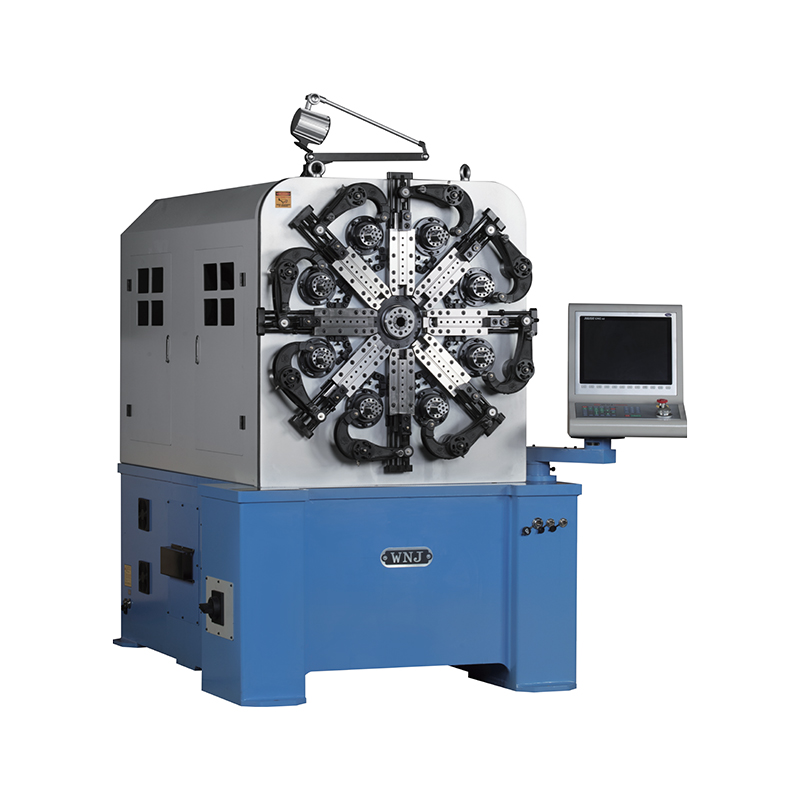 CNC-635Z 5-Axis CNC Spring Forming Machine for Precision CoilingThis five-axis CNC machine forms springs with accurate pitch and diameter, reducing induced stress. Its rotary wire feed and multi-axis control enable production of various spring types, supporting fatigue resistance through precise geometry.View Product →
After forming, the spring is quenched and tempered to achieve the desired hardness and toughness. The tempering process is where fatigue life is largely determined. Inadequate tempering produces a material that is hard but brittle, with poor crack tolerance. An optimized tempering cycle, using a spring temper furnace with precise temperature uniformity, gives the material a microstructure that resists crack growth. Research consistently shows that a properly tempered spring can show 2 to 5 times the fatigue life of an under-tempered spring in identical testing conditions.
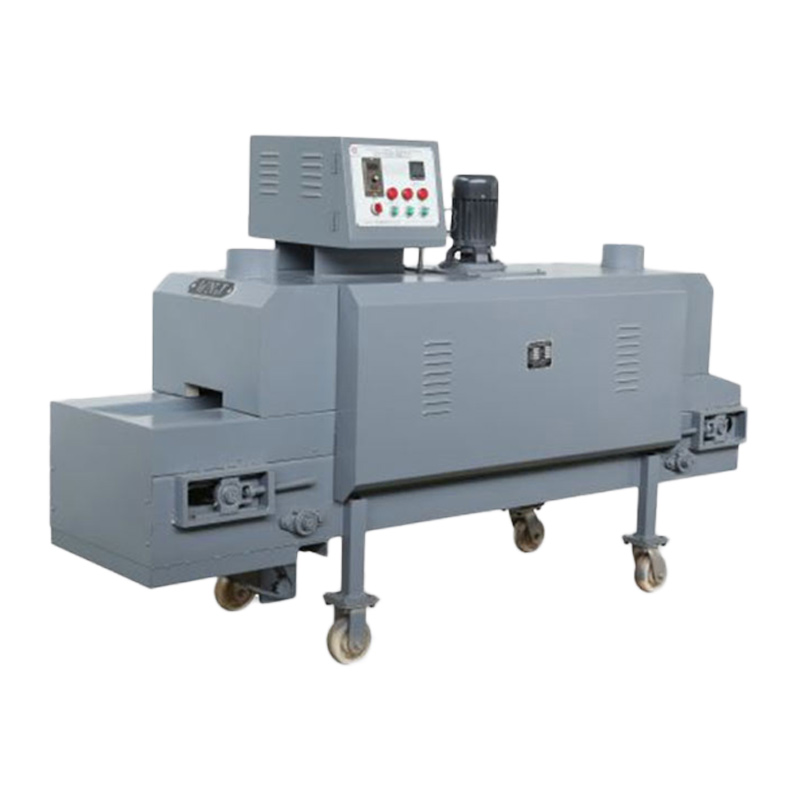 WNJ210 Spring Temper Furnace with Uniform Temperature ControlThis continuous temper furnace offers rapid heating and precise temperature uniformity, critical for achieving optimal hardness and toughness. It helps produce a microstructure resistant to crack growth, extending spring fatigue life.View Product →
For compression springs, the ground end faces are critical. An imperfectly ground end, with uneven contact or edges that are not rounded, creates a local stress concentration that can reduce fatigue life dramatically. Precision CNC spring grinding machines hold tight tolerances on flatness and squareness, ensuring that the spring does not bend laterally during compression. Grinding also removes surface defects and introduces compressive residual stress at the spring ends, which is beneficial for fatigue resistance.
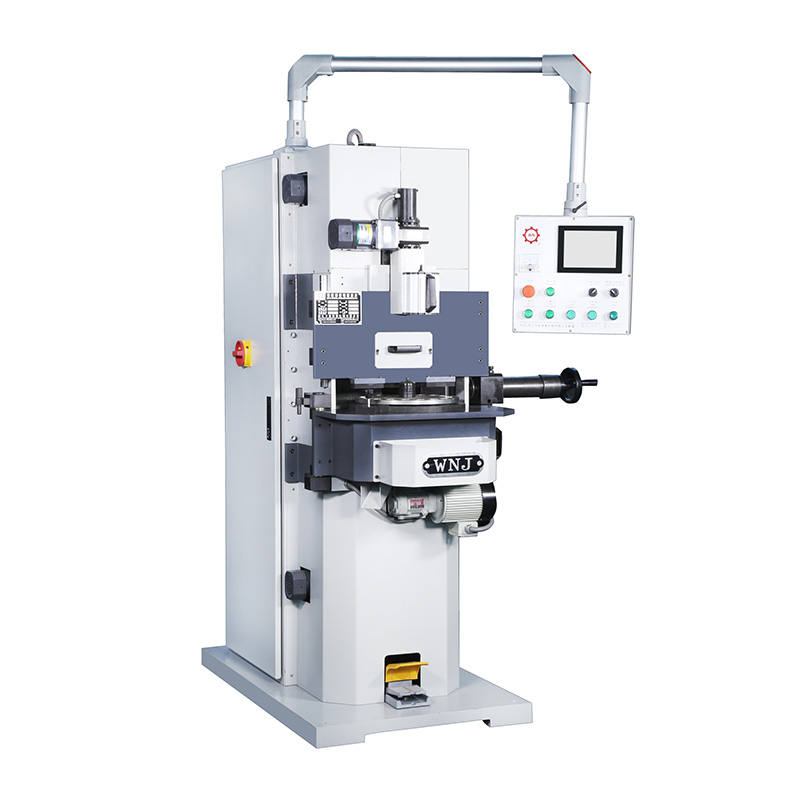 CNC Spring End Grinding Machine for Flat and Square EndsThese servo-controlled grinding machines ensure tight tolerances on spring end flatness and squareness, removing surface defects and introducing compressive residual stress. Programmable feed and pressure settings enhance consistency, reducing stress concentrations and improving fatigue performance.View Product →
For high-cycle springs, shot peening introduces a compressive residual stress layer at the surface. This layer acts as a barrier against crack propagation. When shot peening is applied and controlled within ball diameter and coverage parameters, fatigue life improvements of 50% to 200% are achievable, depending on the material and test conditions.
Understanding the interplay between these manufacturing variables is essential for any spring supplier. Punishing precision-guided CNC machinery, controlled tempering, careful grinding, and optional shot peening are the difference between a spring that survives 2 million cycles and one that survives 10 million cycles under the same loading condition.
The location and appearance of a fatigue crack provide vital clues about the root cause. Experienced failure analysts read these indications to improve both design and manufacturing processes.
Each failure mode points to a specific corrective action. Surface-initiated cracking calls for better wire surface quality or increased shot peening. Inclusions require cleaner steel. Buckling requires a different spring design or better test fixtures. Relaxation requires a better tempering process or higher grade material.
A useful fatigue testing protocol follows a defined sequence. The steps below form a reliable blueprint for spring manufacturers and test laboratories.
Testing protocols that are repeated on a quarterly or semi-annual basis provide an ongoing quality verification. Periodic fatigue testing of production batches catches drift in wire quality, heat treatment, or grinding accuracy that could otherwise go undetected until a customer field failure occurs.
The duration depends on the required cycle count and test frequency. At 20 Hz, one million cycles takes about 14 hours. A standard automotive spring validation of 5 million cycles at 25 Hz takes roughly 56 hours of continuous operation. Tests that run 24 hours per day with automatic shutdown systems are commonly scheduled to minimize laboratory time.
The terms are often used interchangeably, but cycle testing typically focuses on evaluating functional performance over the rated number of cycles, while fatigue testing specifically targets material behavior and crack propagation. Fatigue testing is more rigorous and usually involves the determination of an S-N curve or at minimum, a final failure point.
There is no universal number. It depends entirely on the application. Standard automotive suspension springs are typically specified for 1 million to 5 million cycles. Valve springs in high-performance engines may require 50 million or more cycles. The customer specification is the authoritative source for the required cycle count.
Shot peening introduces compressive residual stress in the surface layer of the spring. This stress state opposes the tensile stresses generated during service loading, delaying crack initiation significantly. For high-strength spring steel, shot peening can improve fatigue life by 50% to 200% or more, and it is a standard process for springs that must survive high cycle counts.
Fatigue testing predicts behavior under defined loading conditions. In the field, springs face variable amplitude, corrosion, temperature, and dynamic loads. While laboratory fatigue testing cannot perfectly replicate all real-world conditions, it provides a statistically grounded estimate when the test load spectrum is selected carefully. The key is to combine fatigue testing with realistic service load measurement and environmental considerations.
Surface defects, decarburization, and stress concentration at the spring ends are the most damaging conditions. A single sharp notch on the wire surface can act as a crack initiation site that reduces fatigue life by several orders of magnitude. This is why quality controls on wire condition, forming tool condition, and end grinding are non-negotiable in high-fatigue spring production.
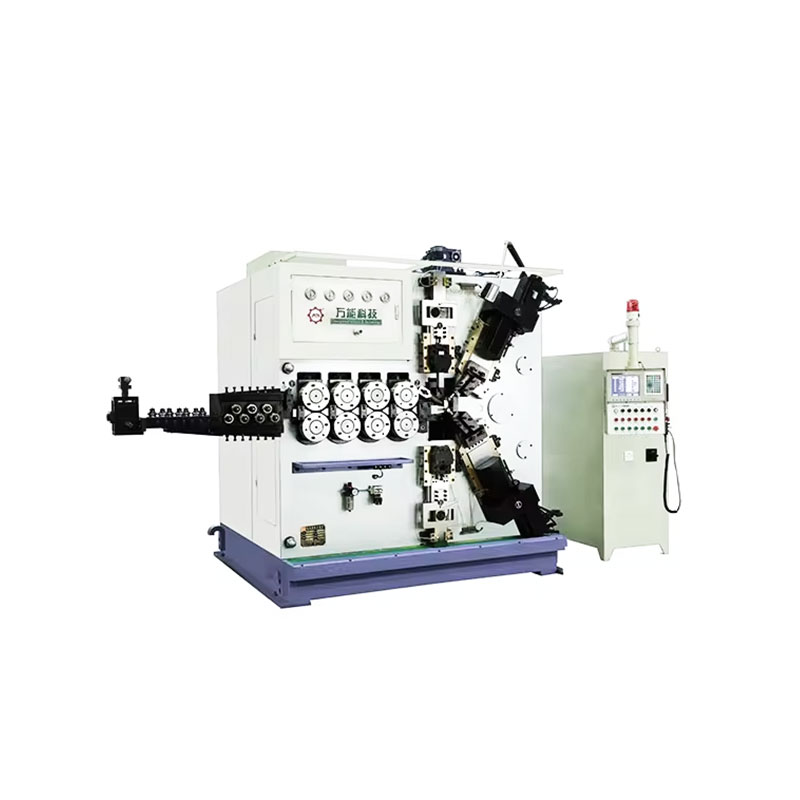
TK-6160 TK-6160 CNC SPRING ROLLING MACHINE...
See Details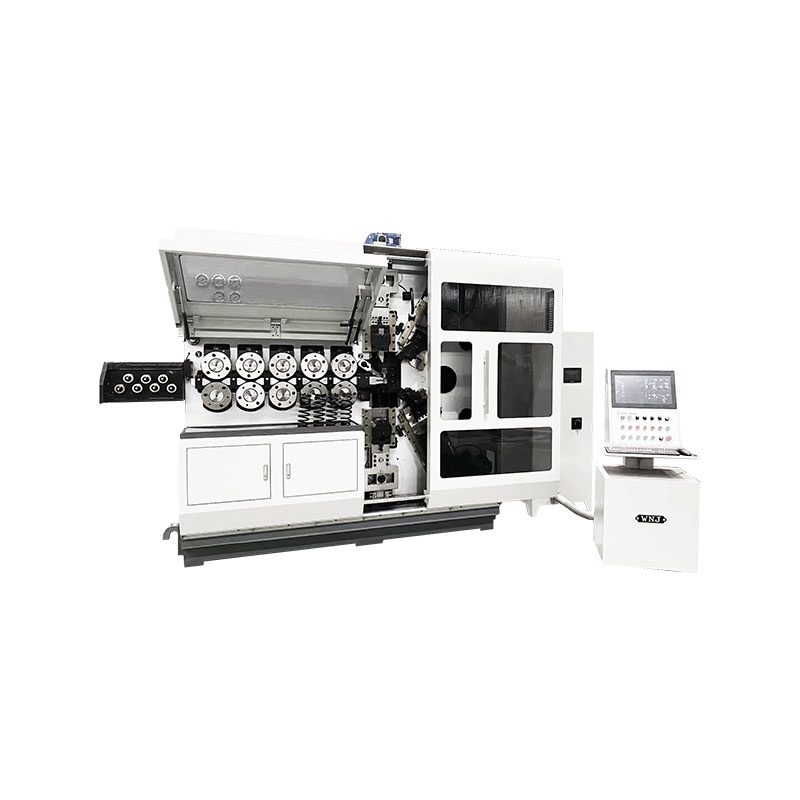
TK-6120 TK-6120 CNC SPRING ROLLING MACHINE...
See Details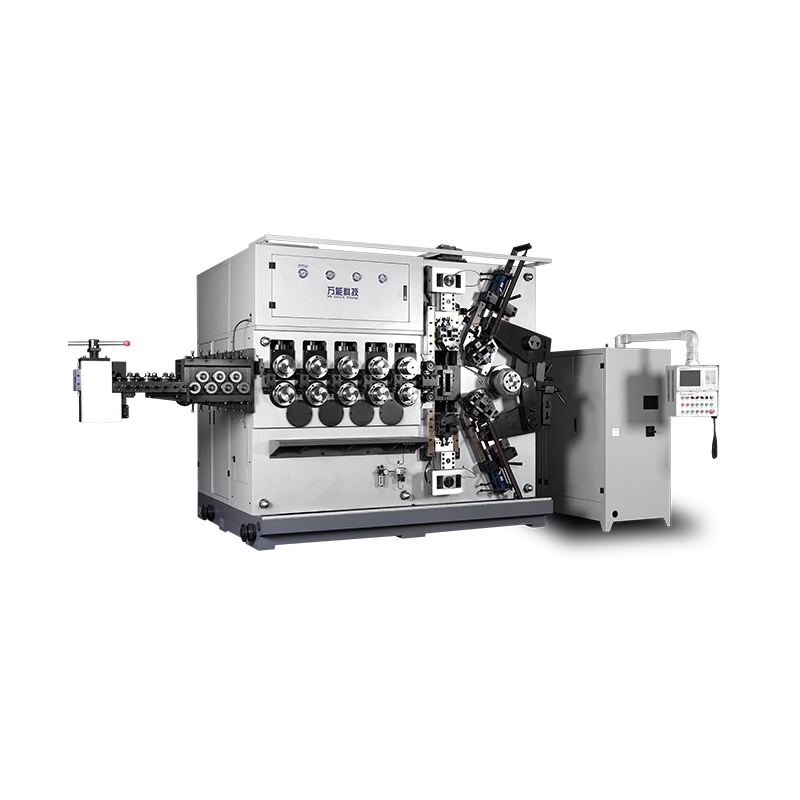
TK-5200 TK-5200 5AXES CNC SPRING COILING MACHINE...
See Details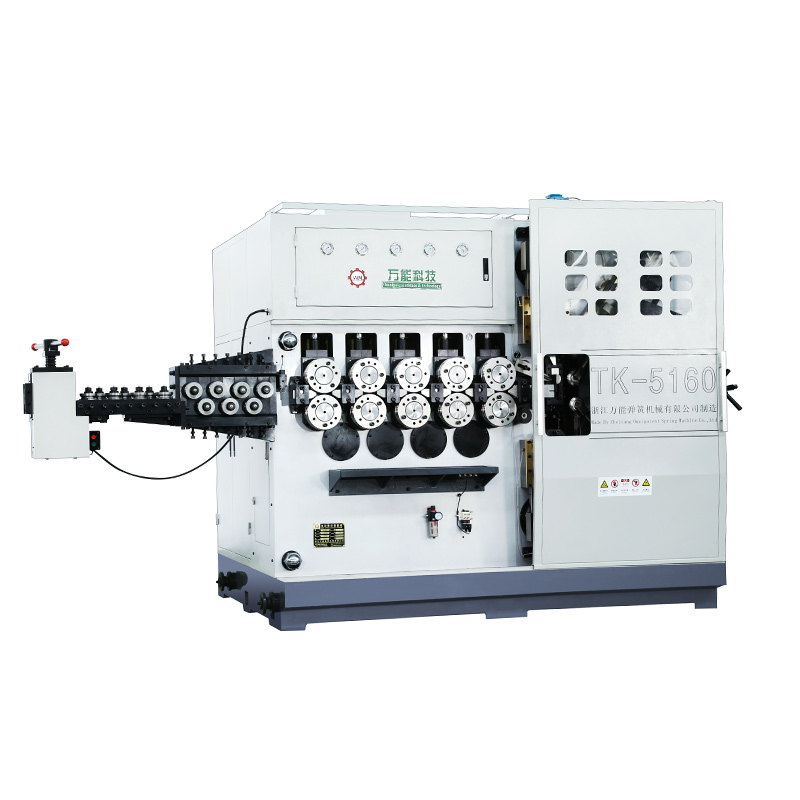
TK-5160 TK-5160 5AXES CNC SPRING COILING MACHINE...
See Details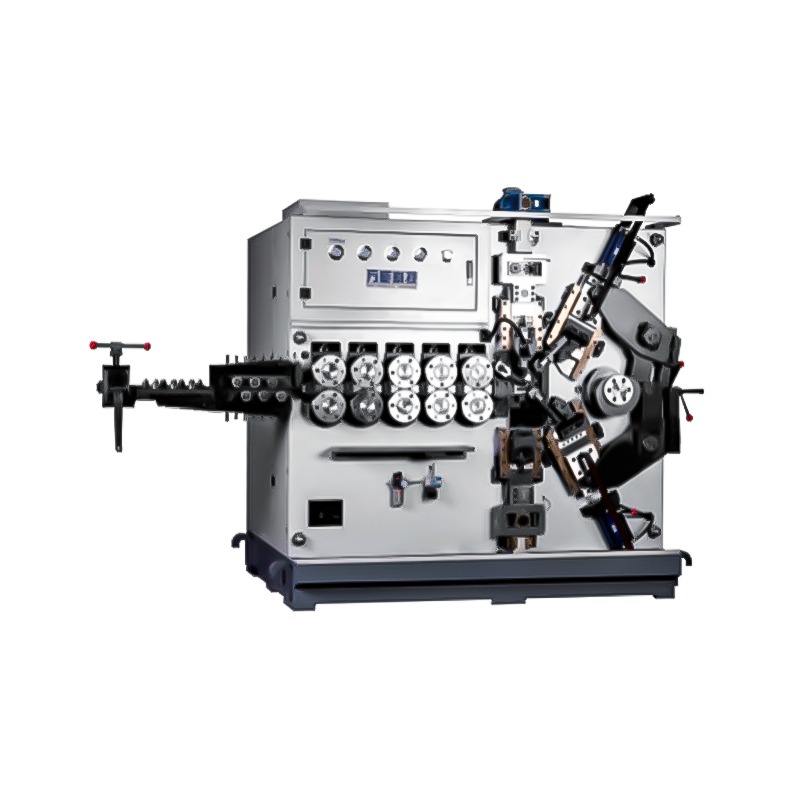
TK-5120 TK-5120 5AXES CNC SPRING COILING MACHINE...
See Details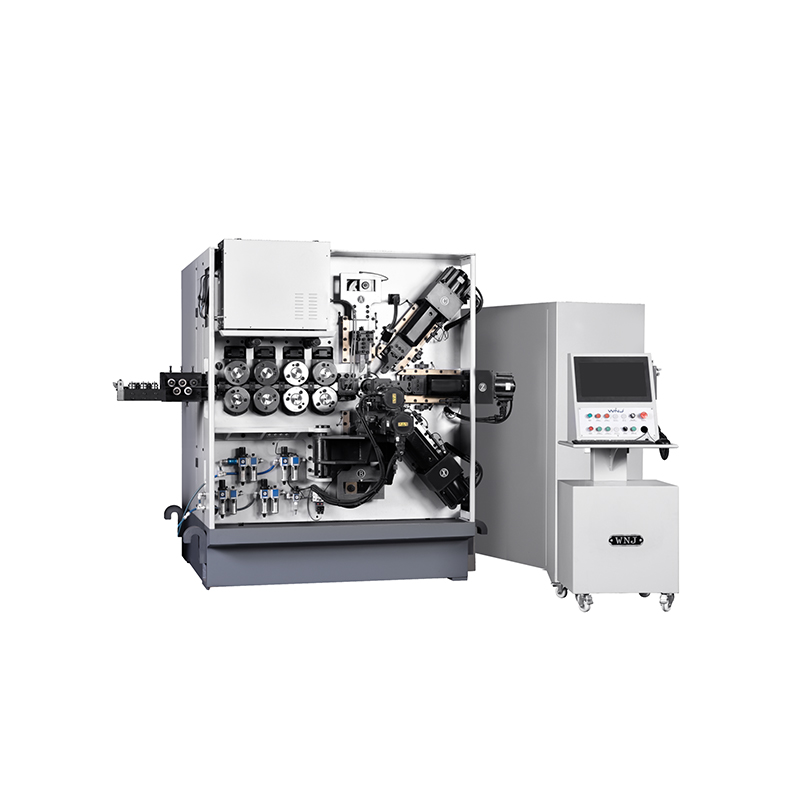
TK TK 10AXES CNC SPRING SCROLL MACHINE...
See Details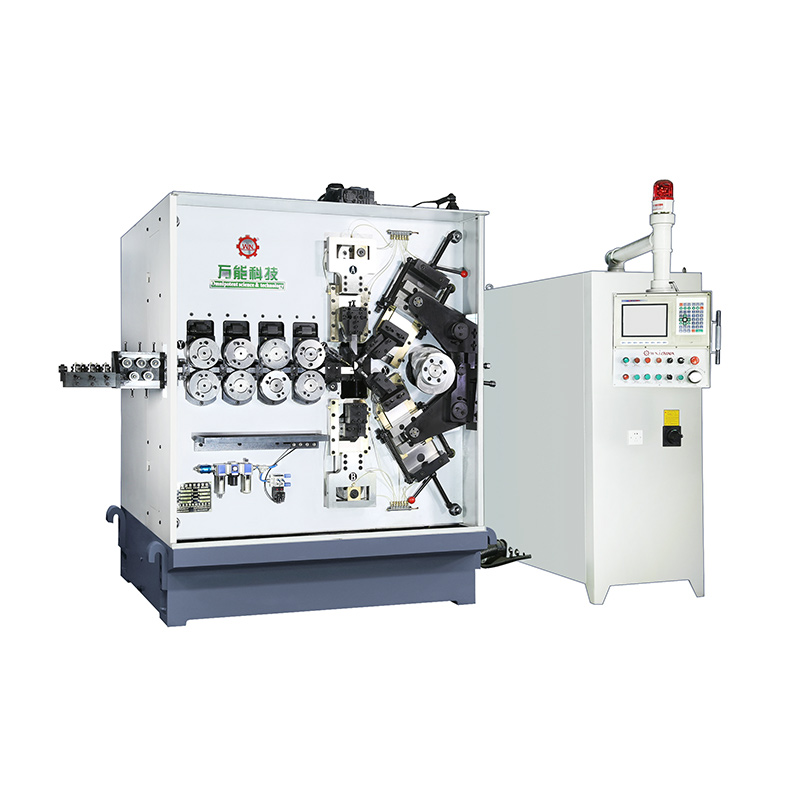
TK-580B、 TK-590 TK-580B、 TK-590 5AXES CNC SPRING COILING MACHINE...
See Details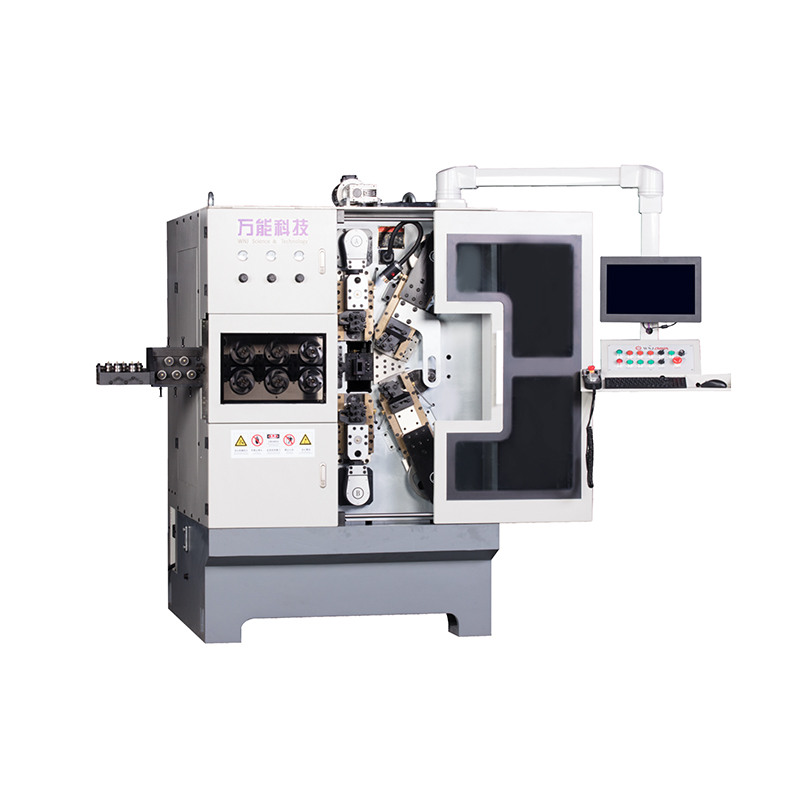
TK-760TK-760 6-7AXES CNC SPRING COILING MACHINE...
See DetailsMobile QR Code

 中文简体
中文简体 English
 русский
 Español