Language
Content
Choosing the right metal for springs depends on the application requirements – how much force will it withstand? Will it rust? Will the working environment be hot? Does it need to conduct electricity? Here are the characteristics of commonly used materials:
The most common type of spring wire. High carbon content, like a bodybuilder's strong muscles, results in great strength (good elasticity). Its disadvantage is that it rusts easily, generally requiring galvanizing or oiling for protection. It's commonly used in car shock absorbers and thick springs in mattresses.
The "special forces" of spring steel. Also high carbon, but with fewer impurities, a more uniform texture, and top-notch elasticity and fatigue resistance. Used for important small springs in precision instruments and small appliances (such as motor brush springs), and also in guitar strings.
An upgraded version of spring steel with added chromium, vanadium, or silicon. Strength comparable to piano wire, more impact-resistant, more fatigue-resistant, and slightly heat-resistant. Commonly used in automotive engine valve springs and retaining rings for important tools (such as wrenches).
The most common stainless steel spring material. Excellent rust resistance (suitable for kitchen and bathroom environments), corrosion resistant, and moderately priced. Used for springs in everyday items (faucet valve cores, kitchen utensil clips) and industrial springs that don't require excessive strength.
A higher-grade "marine-grade" rust-resistant material than 304. Particularly resistant to salt water and chemical corrosion. Used for springs in coastal equipment, medical devices, and chemical equipment.
This type of stainless steel, through special treatment (solution + aging), can become both hard and elastic, approaching the level of spring steel, without rusting. Used in high-requirement and rust-sensitive applications (precision instruments, aircraft parts).
Copper + Tin + Phosphorus. Good conductivity, high elasticity, exceptional fatigue resistance, and corrosion resistance. Commonly used in electrical switch contact springs, connector pins, and precision instruments.
The "King of Springs" among copper alloys. After heat treatment, it has an extremely high elastic limit (extremely strong), good electrical and thermal conductivity, is completely non-sparking, and corrosion resistant. The downside is its higher price. Used in environments where sparks and explosions are a concern (oil and mining tools), for electronic contacts requiring extremely high reliability, and for high-end connectors.
Good conductivity, inexpensive, and easy to process, but its elasticity and fatigue resistance are not as good as phosphor bronze and beryllium copper. Suitable for small conductive springs or decorative springs with lower requirements (such as those in ballpoint pens).
Nickel-based "supermetals." Extremely resistant to high temperatures and corrosion, maintaining their strength even at high temperatures. Used in high-temperature, high-pressure applications such as jet engine blade springs, rockets, and nuclear power plants, they are extremely expensive.

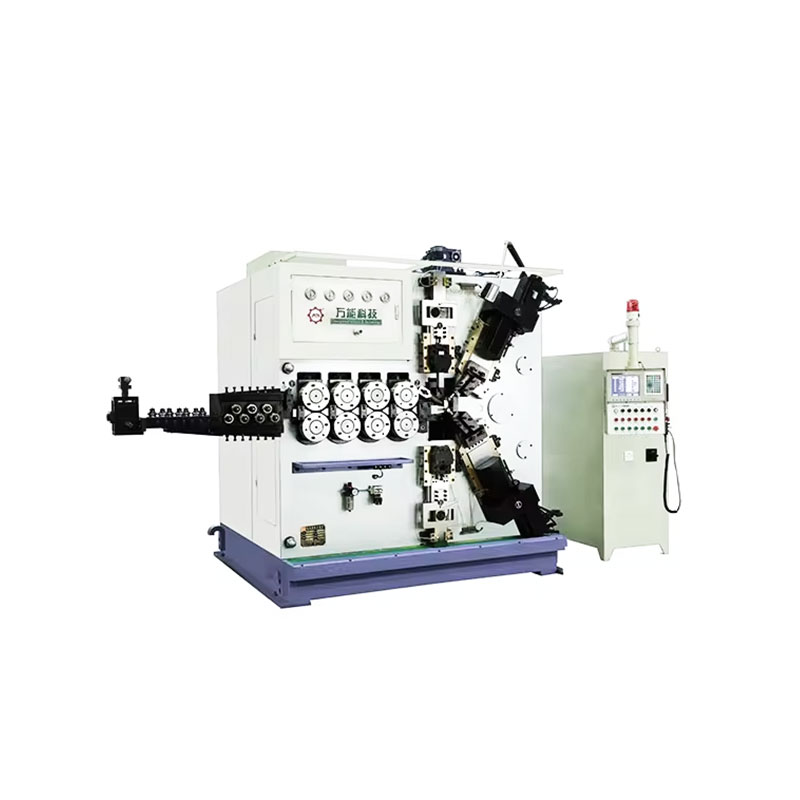
TK-6160 TK-6160 CNC SPRING ROLLING MACHINE...
See Details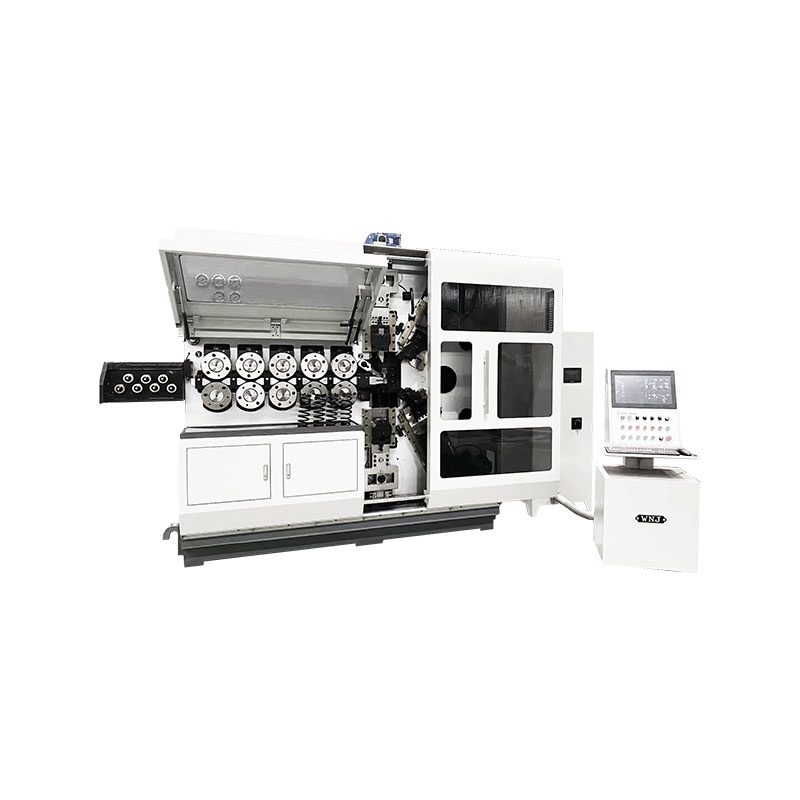
TK-6120 TK-6120 CNC SPRING ROLLING MACHINE...
See Details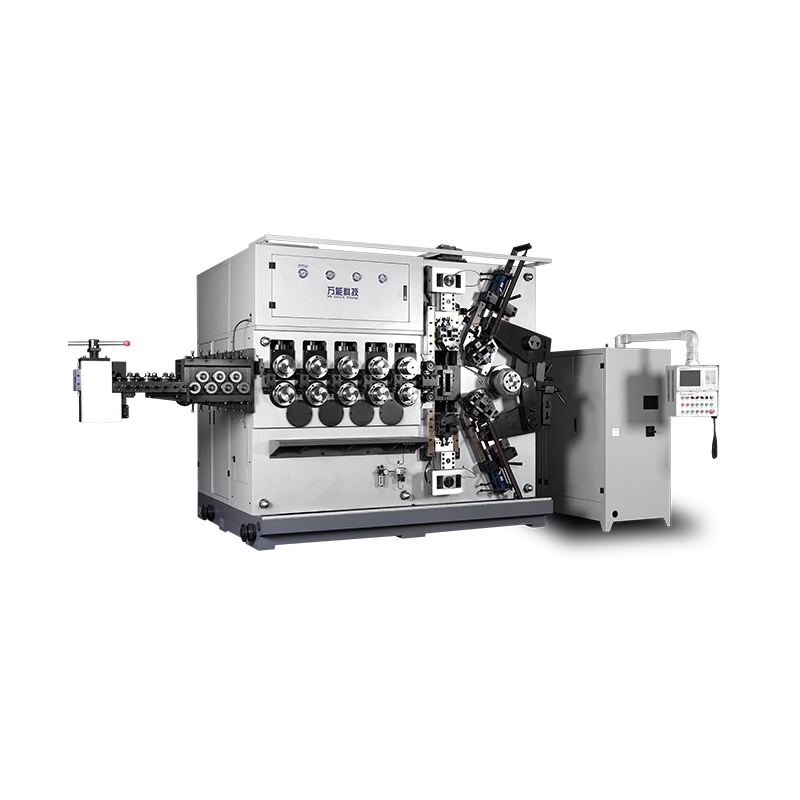
TK-5200 TK-5200 5AXES CNC SPRING COILING MACHINE...
See Details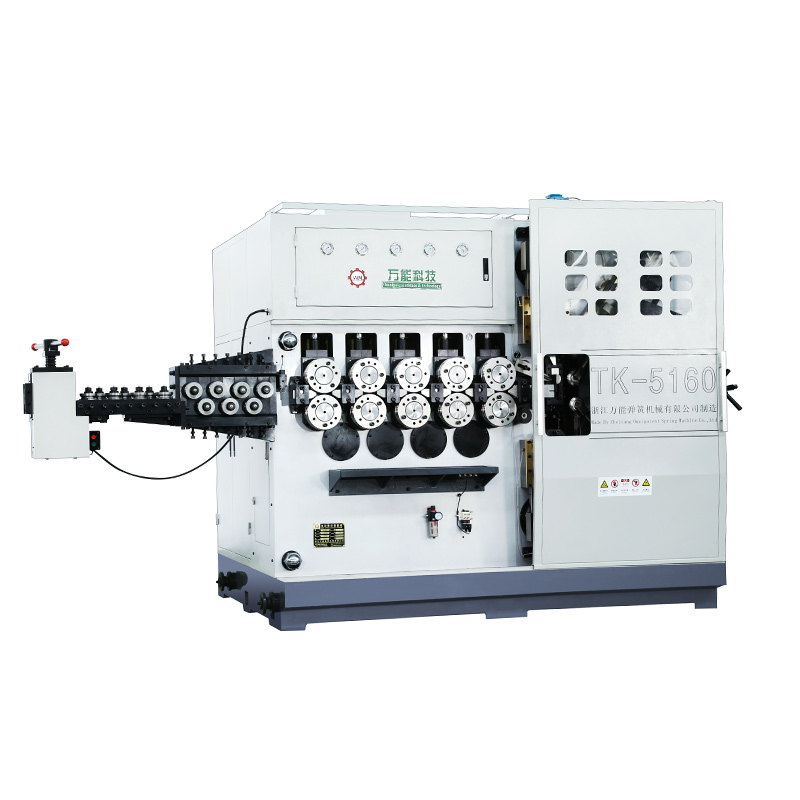
TK-5160 TK-5160 5AXES CNC SPRING COILING MACHINE...
See Details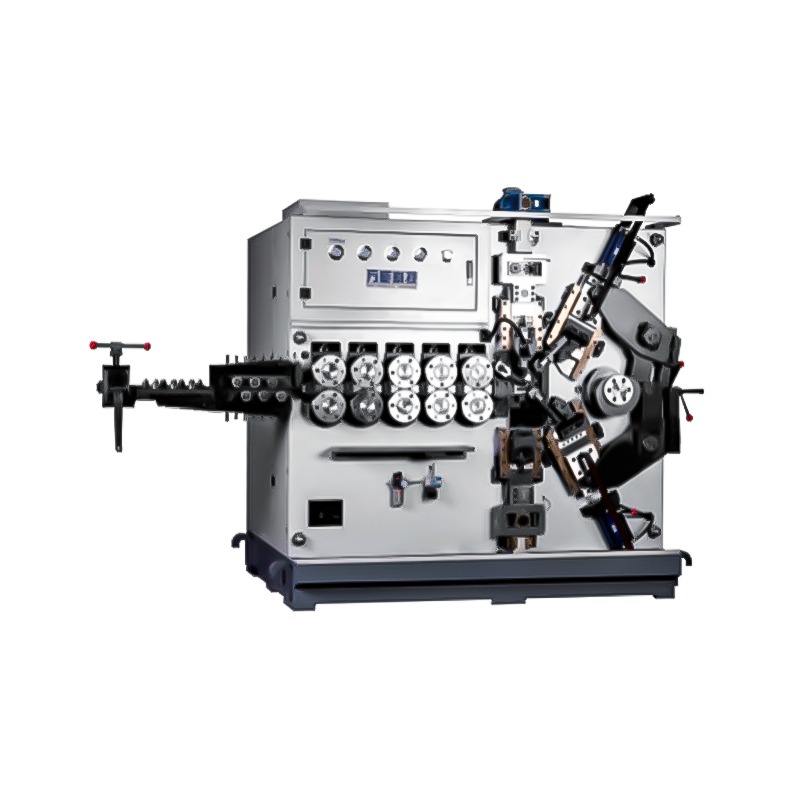
TK-5120 TK-5120 5AXES CNC SPRING COILING MACHINE...
See Details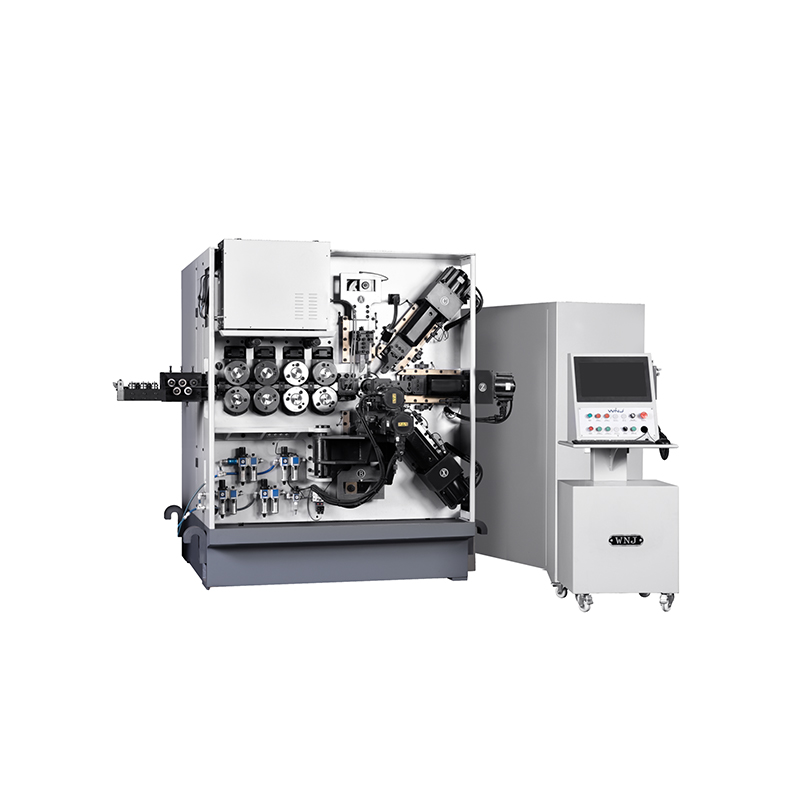
TK TK 10AXES CNC SPRING SCROLL MACHINE...
See Details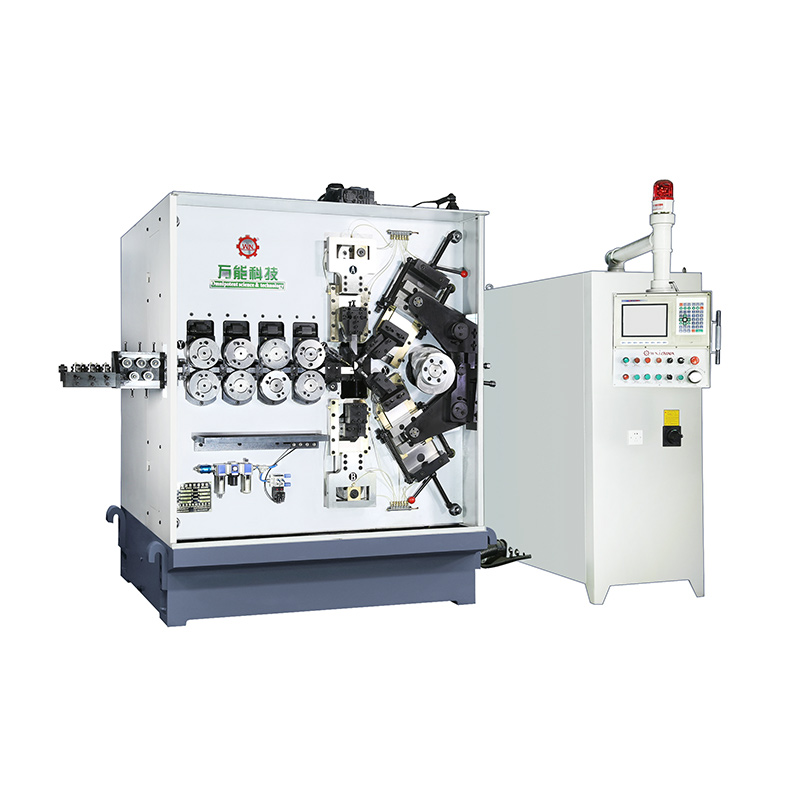
TK-580B、 TK-590 TK-580B、 TK-590 5AXES CNC SPRING COILING MACHINE...
See Details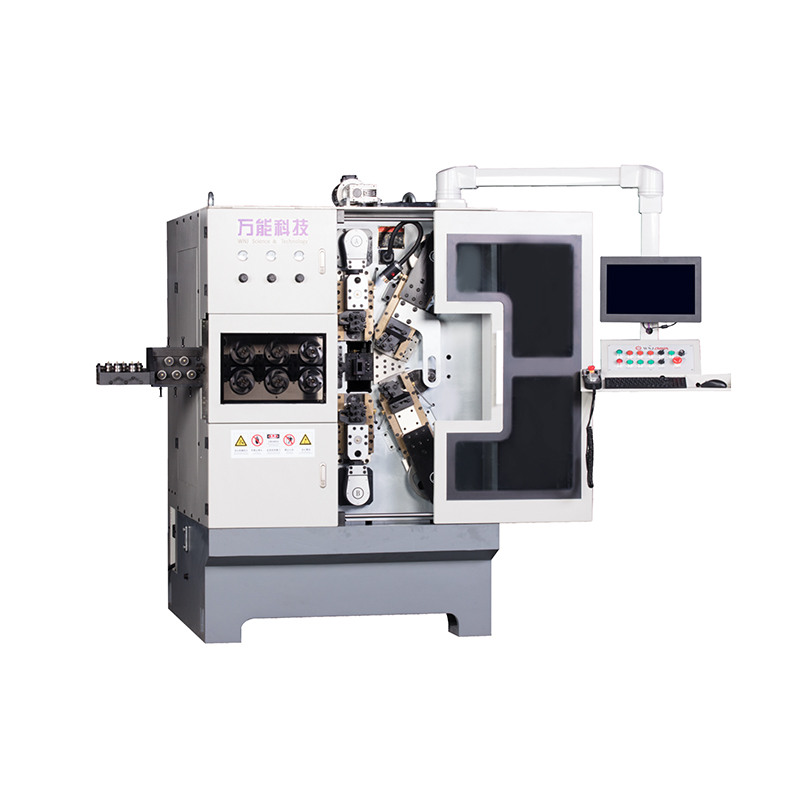
TK-760TK-760 6-7AXES CNC SPRING COILING MACHINE...
See DetailsMobile QR Code

 中文简体
中文简体 English
 русский
 Español