Language
Content
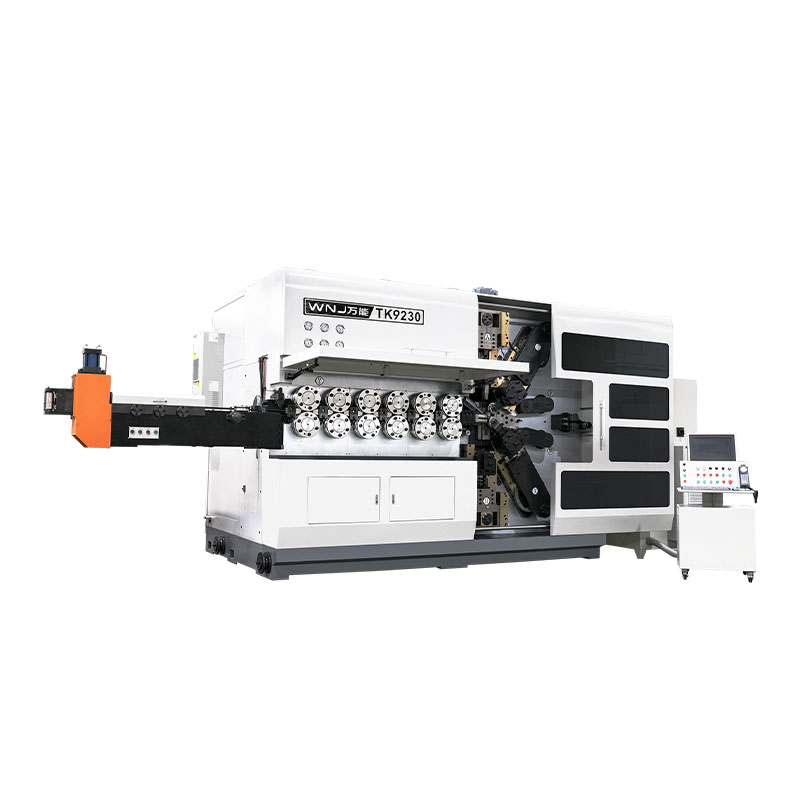
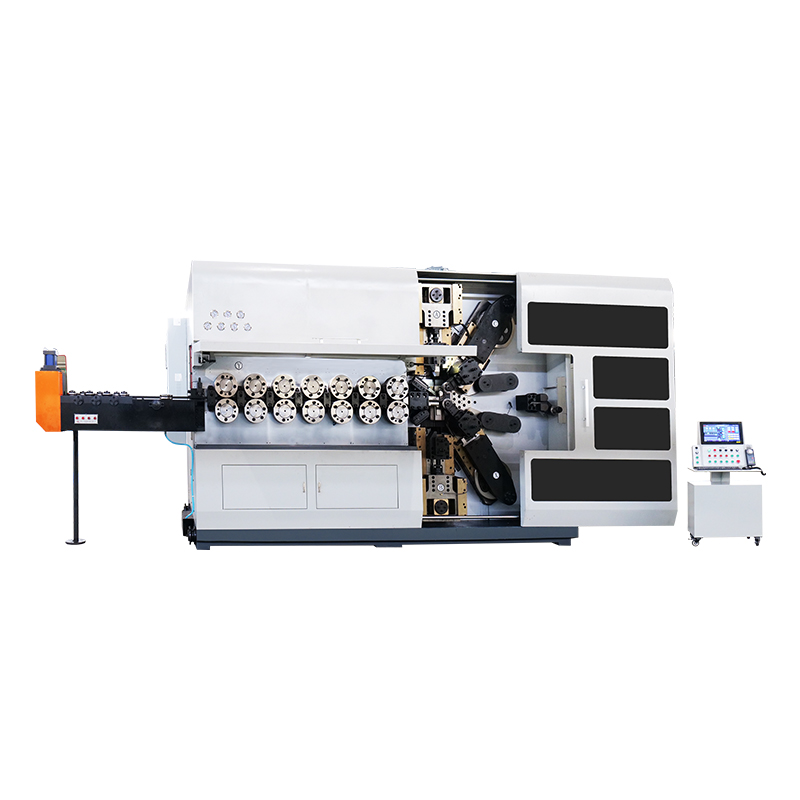
A CNC spring forming machine is a high-precision manufacturing system that utilizes computer numerical control to automate the bending, coiling, and shaping of metal wire into complex spring geometries and intricate wire forms. Unlike traditional mechanical spring makers that rely on fixed camshafts, this modern equipment employs multiple independent servo motors to control various axes, allowing for the creation of non-standard shapes that would be impossible to achieve manually.
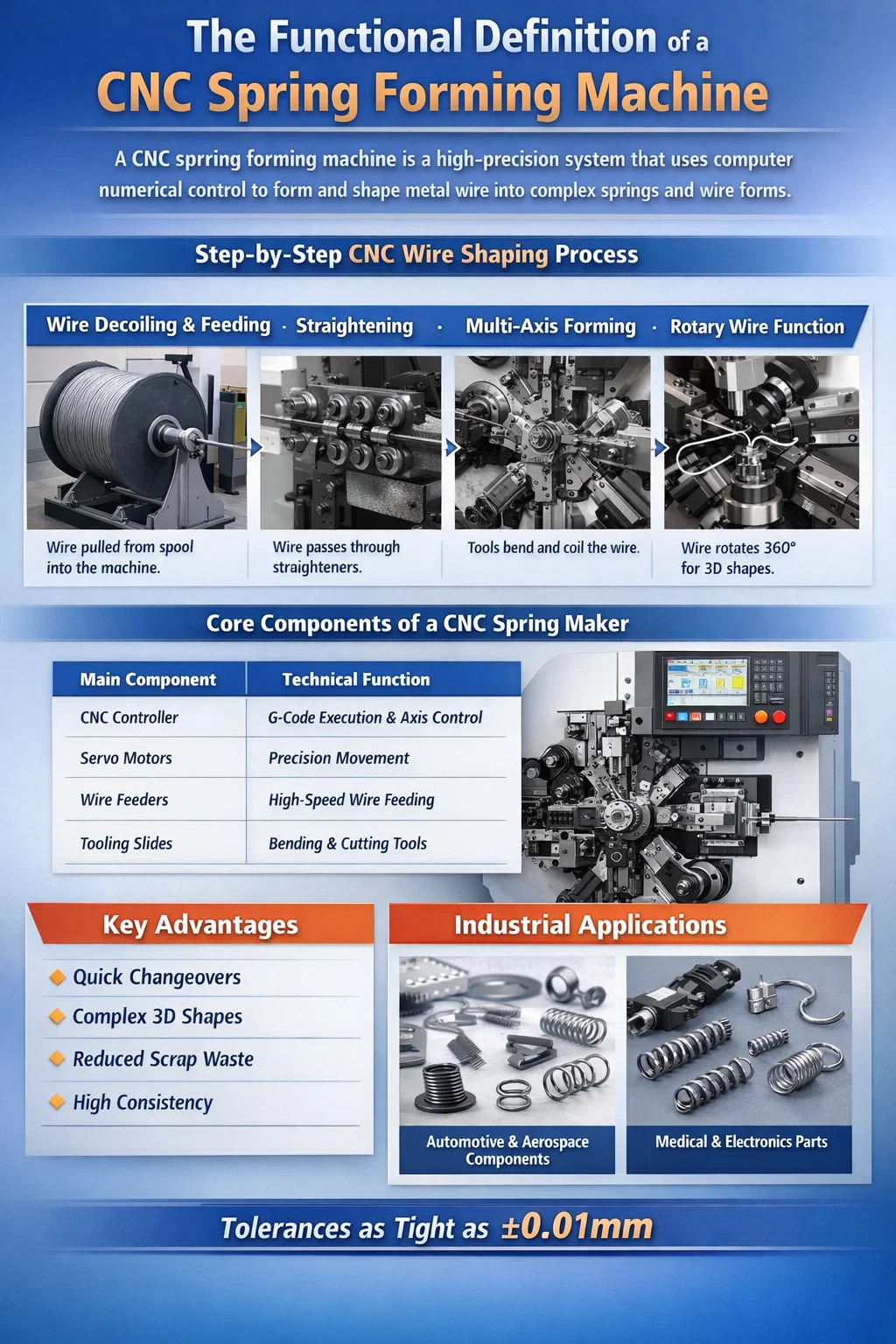
In a standard industrial environment, these machines are the backbone of wire component production, capable of handling wire diameters ranging from 0.15mm to over 10mm. The machine operates by feeding wire through a series of rollers and shaping it using specialized tools that move in three-dimensional space with surgical accuracy. This technology ensures a high repeatability rate, often maintaining tolerances as tight as ±0.01mm over production runs of millions of units.
The operation of a CNC spring forming machine is a sequence of highly synchronized mechanical movements. The process begins with raw material and ends with a finished, heat-treated or ready-to-use component. The following mechanics describe the journey of the wire through the machine:
The metal wire, usually made of stainless steel, carbon steel, or copper alloys, is pulled from a large coil or spool. The machine’s wire feed system uses heavy-duty rollers driven by a high-torque servo motor. These rollers must exert enough pressure to pull the wire without flattening it, ensuring the feed length is exact to the micro-millimeter.
Because the wire was stored in a coil, it has a natural curvature or "memory." Before any shaping occurs, the wire passes through wire straighteners. These consist of a series of rollers arranged in both horizontal and vertical planes. By alternating tension, the straightener removes all kinks and bends, presenting a perfectly straight line of wire to the forming tools.
As the wire emerges from the central guide (the quill), it enters the forming zone. In a CNC spring forming machine, multiple tool slides are positioned around the wire. Each slide can move independently. For example, in a 12-axis machine, several tools can strike the wire from different angles simultaneously or in a pre-programmed sequence to create loops, bends, or coils.
Many advanced machines feature a rotary wire axis. Instead of just moving the tools around the wire, the machine can rotate the wire itself 360 degrees. This provides an extra dimension of flexibility, allowing for complex 3D shapes to be formed without having to stop the feeding process or use overly complicated tooling setups.
The efficiency of a CNC spring forming machine is the result of the synergy between its mechanical hardware and the electronic control system. The following table highlights the essential hardware components found in a professional-grade machine.
| Main Component | Technical Function |
|---|---|
| CNC Controller | Executes the G-code/program and manages the real-time synchronization of all servo axes. |
| Servo Motors | Provide high-precision torque for feeding, rotating, and tool slide movement. |
| Wire Feeders | Heavy-duty rollers that move the wire through the machine at high speeds. |
| Tooling Slides | Movable arms that hold the bending, coiling, and cutting tools. |
| Sensors & Probes | Detect part accuracy and automatically adjust parameters to compensate for wire variations. |
The shift from mechanical cams to CNC spring forming machine technology has revolutionized the spring manufacturing landscape. The primary advantages focus on efficiency and versatility:
The output of a CNC spring forming machine is used in nearly every sector of modern life. Because the machine can handle varied wire cross-sections (round, flat, or square), its applications are nearly limitless:
Manufacturers use these machines to create seat frame springs, engine valve springs, and fuel injector clips. These parts must withstand extreme stress and temperature, requiring the machine to process high-tensile alloys like Inconel or Chrome Silicon.
Small-scale CNC spring forming machines produce micro-springs for smartphone camera modules and surgical instruments. At this scale, the machine’s precision in handling wire as thin as 0.1mm is paramount.
In conclusion, the CNC spring forming machine represents the pinnacle of wire processing technology. By combining powerful servo motors with sophisticated software control, it transforms a simple reel of wire into a complex mechanical component. Its ability to perform multiple operations—feeding, straightening, bending, coiling, and cutting—within a single automated cycle makes it an indispensable asset for any modern factory aiming for high-speed, high-accuracy production.
TK-6160 TK-6160 CNC SPRING ROLLING MACHINE...
See Details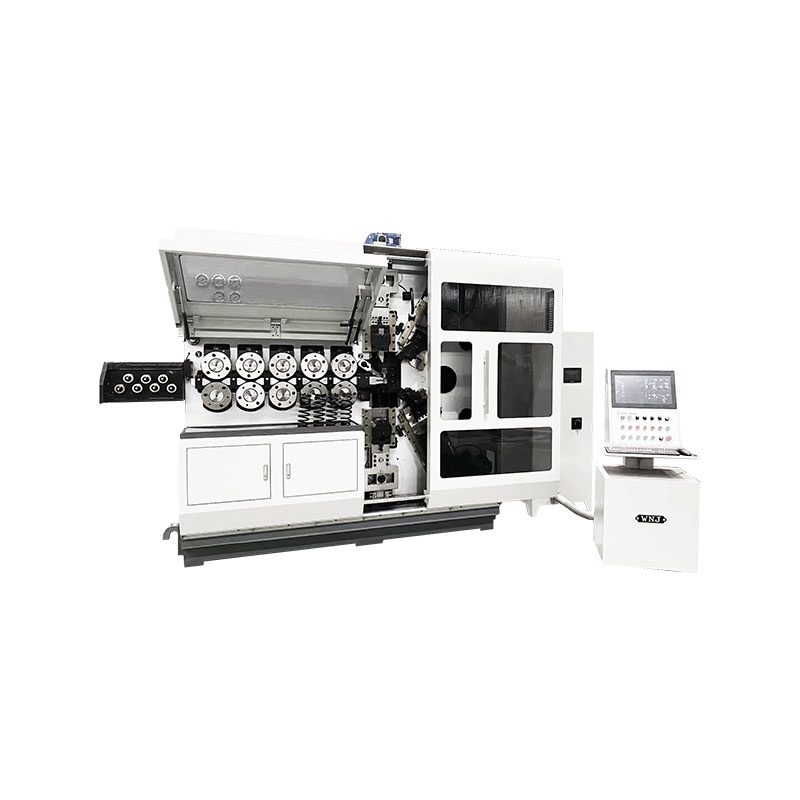
TK-6120 TK-6120 CNC SPRING ROLLING MACHINE...
See Details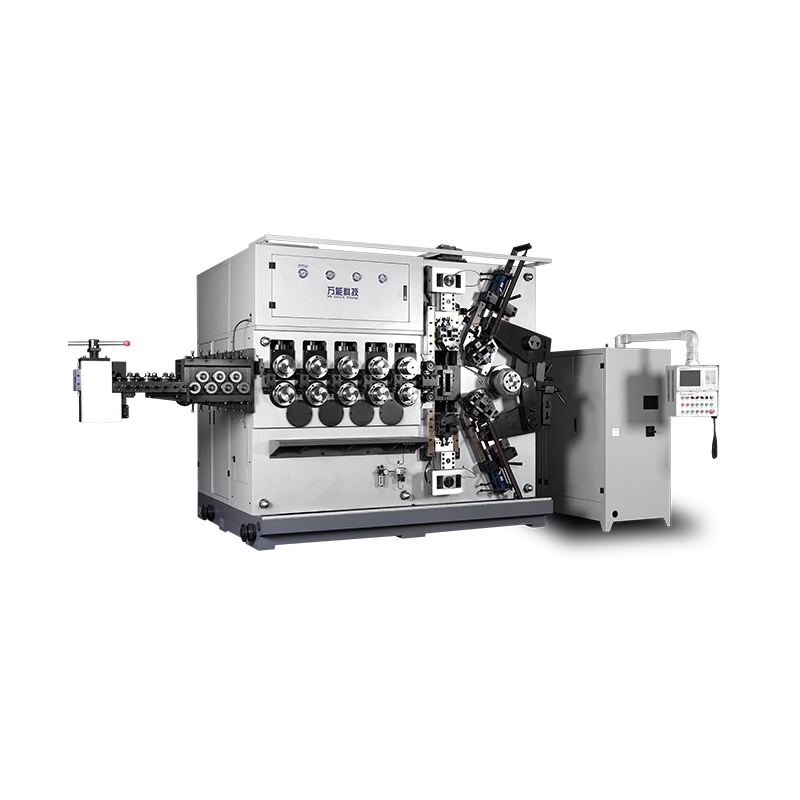
TK-5200 TK-5200 5AXES CNC SPRING COILING MACHINE...
See Details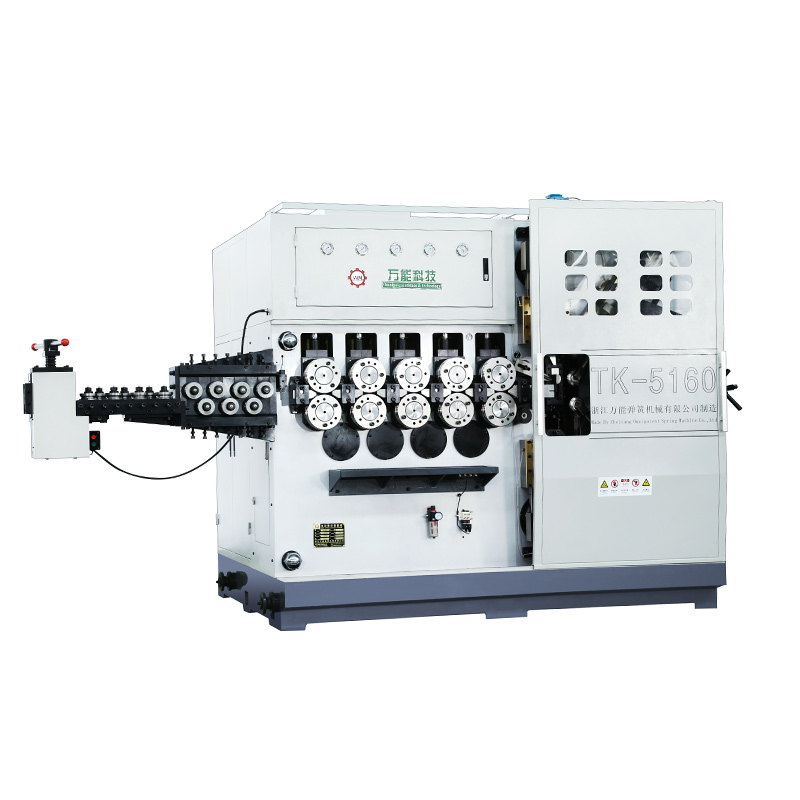
TK-5160 TK-5160 5AXES CNC SPRING COILING MACHINE...
See Details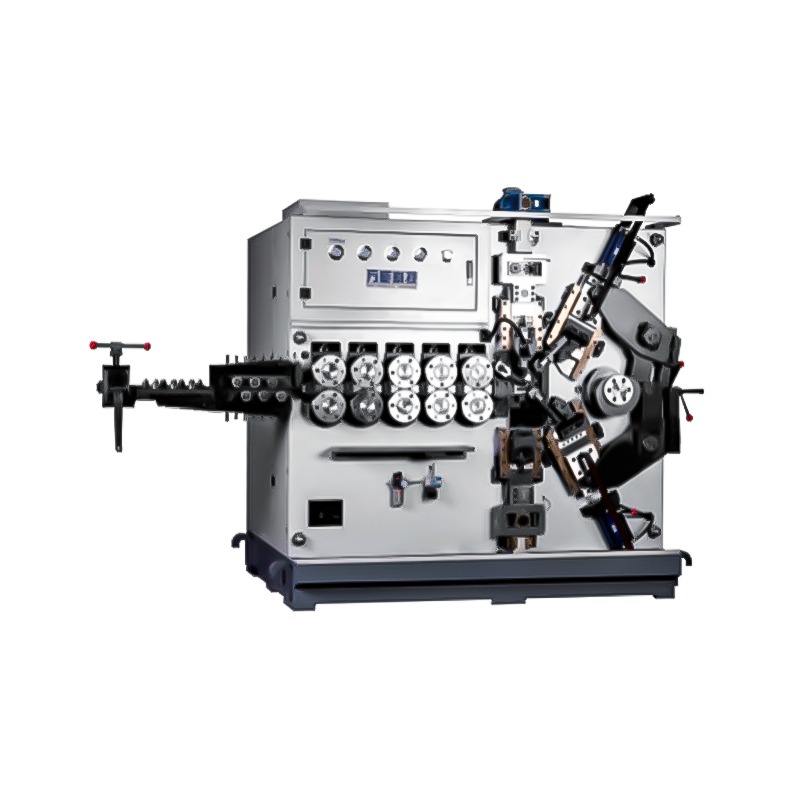
TK-5120 TK-5120 5AXES CNC SPRING COILING MACHINE...
See Details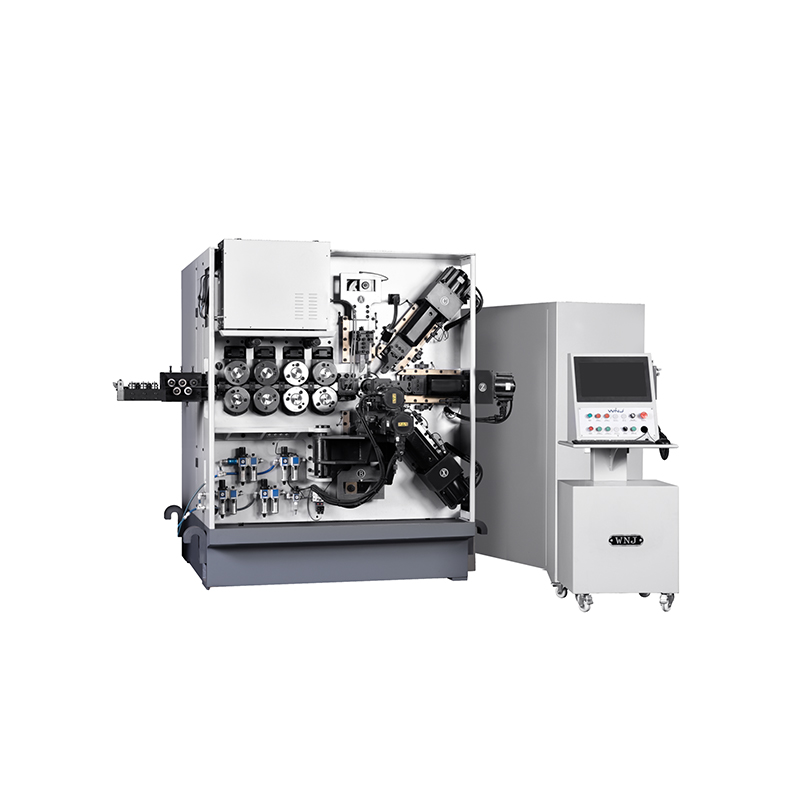
TK TK 10AXES CNC SPRING SCROLL MACHINE...
See Details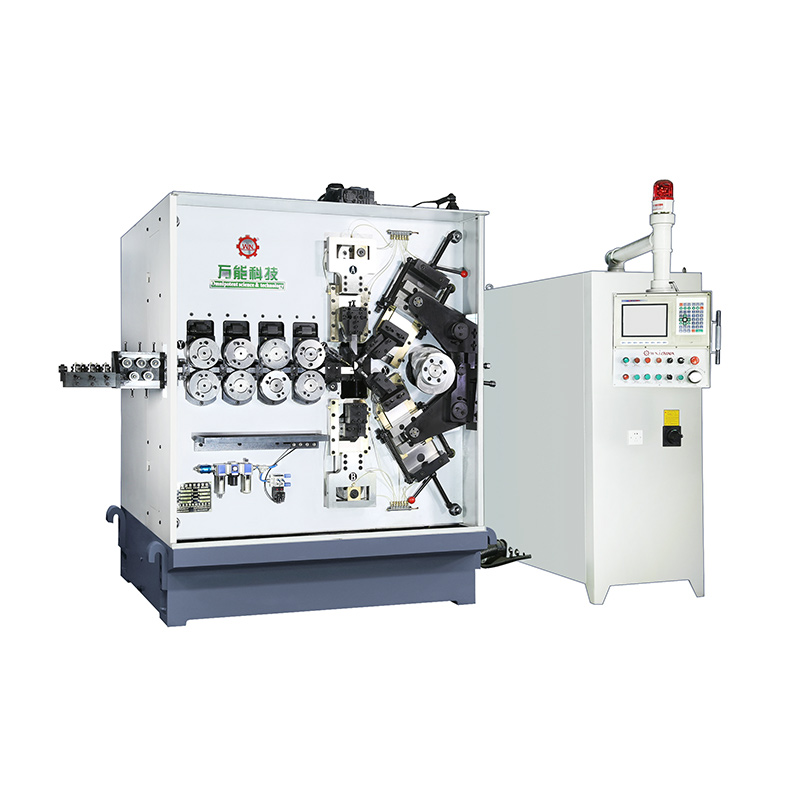
TK-580B、 TK-590 TK-580B、 TK-590 5AXES CNC SPRING COILING MACHINE...
See Details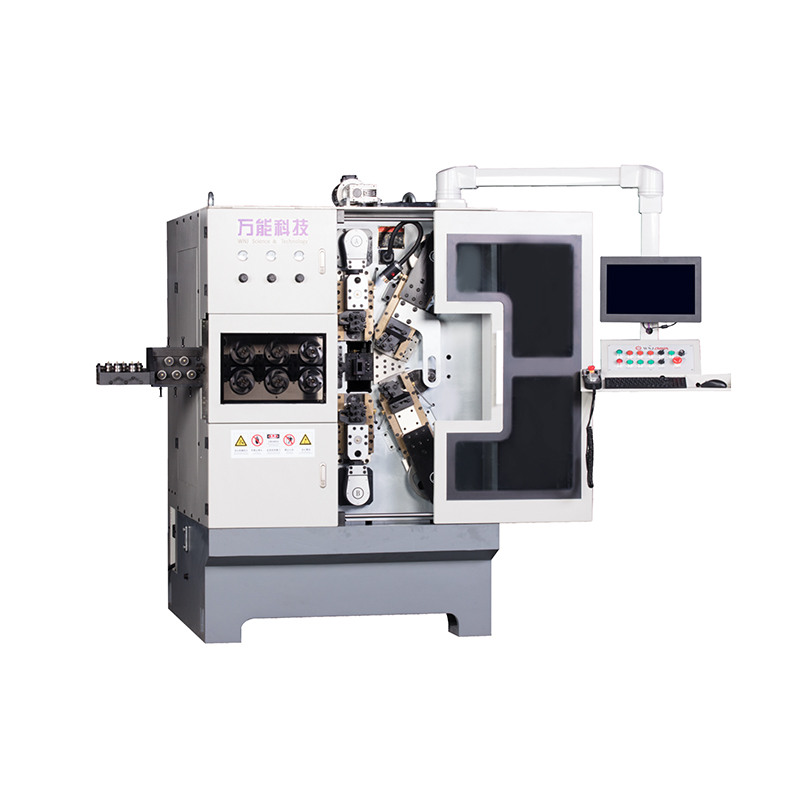
TK-760TK-760 6-7AXES CNC SPRING COILING MACHINE...
See DetailsMobile QR Code

 中文简体
中文简体 English
 русский
 Español