Language
Content
Torsion springs store and release rotational energy by twisting around an axis rather than compressing or stretching in a straight line. This single mechanical principle makes them the preferred choice wherever a controlled rotational force, a self-closing motion, or a balanced counterweight is needed. Garage doors, clothespins, mousetraps, vehicle suspension components, electrical switchgear, and industrial counterbalance systems all rely on torsion springs to convert stored twist into usable motion. The defining trait of a torsion spring is that the load is applied at the ends of the coil, generating torque rather than linear push or pull, which is why engineers select them specifically for hinge-like or rotational mechanisms rather than for axial cushioning or pure tension tasks.
Unlike compression or extension springs, torsion springs are measured and specified by torque output, wind direction, leg configuration, and angular deflection rather than simple length and load figures. This distinction shapes everything from how they are manufactured to how they are tested before shipment. Because the geometry of the legs and the body determines how the spring interacts with its mounting points, even small changes in leg angle or body diameter can change the functional outcome of an assembly dramatically.
| Parameter | Function | Typical Range |
|---|---|---|
| Wire diameter | Sets torque capacity and stiffness | 0.2 mm to 12 mm |
| Body diameter | Controls mounting clearance and arc length | 3 mm to 150 mm |
| Leg angle | Defines free position and travel range | 0 to 360 degrees |
| Number of coils | Affects total deflection capability | 2 to 30 coils |
| Wind direction | Determines rotation direction under load | Left-hand or right-hand |
When a torsion spring is twisted, the wire itself experiences bending stress along its length rather than the shear stress typically found in compression or extension springs. This bending action is why torsion springs are usually wound from round wire and rated using torque values expressed in inch-pounds or newton-millimeters rather than pounds of force. The torque output is roughly proportional to the angle of twist, meaning the further the legs are deflected from their free position, the greater the resisting or driving torque becomes. This near-linear relationship is what allows engineers to predict how much force a door hinge, a lever, or a counterbalance arm will exert at any given point in its swing.
Torsion springs appear in dozens of everyday household items, often without the user ever noticing the mechanism. Garage door torsion springs remain the single largest residential application by volume, mounted on a shaft above the door opening and wound to a specific number of turns based on door weight and height. A standard 7-foot residential garage door typically requires springs torqued to handle 200 to 400 pounds of door weight, with two springs often used in tandem on double-car doors to balance the load evenly across the shaft.
The common thread across these items is repeated cycling under moderate load, which is why household-grade torsion springs are usually made from music wire or oil-tempered carbon steel, materials chosen for their fatigue resistance rather than raw strength.
In vehicles, torsion springs do work that is often invisible to the driver but essential to ride quality and mechanical reliability. Torsion bars, a close relative of coiled torsion springs, have been used in vehicle suspension systems since the mid-20th century, with manufacturers like Chrysler famously equipping torsion bar front suspensions on trucks for decades because of their compact packaging and consistent ride characteristics compared to leaf springs.
Beyond suspension, torsion springs serve several other roles inside a vehicle's mechanical systems:
Automotive-grade torsion springs typically undergo more rigorous testing than general industrial springs because failure in a moving vehicle carries higher consequence. Fatigue testing for automotive torsion springs commonly targets 100,000 to 500,000 cycles minimum, depending on the part's expected service life and exposure to temperature extremes under the hood or near brake components.
Industrial settings push torsion springs into higher-torque, higher-cycle-count territory than almost any other application category. Manufacturing lines, packaging equipment, and material handling systems depend on torsion springs for repetitive, precise rotational actions performed continuously across multi-shift production schedules.
| Industrial Application | Role of the Torsion Spring |
|---|---|
| Conveyor diverter gates | Returns gate arm to default sorting position |
| Circuit breakers and switchgear | Stores energy for rapid contact opening during fault conditions |
| Industrial counterbalance hatches | Offsets weight of access panels for safe one-hand operation |
| Packaging machine flap valves | Provides return force for repetitive open-close cycles |
| Agricultural equipment tensioners | Maintains belt or chain tension under variable load |
One of the more demanding industrial uses is in circuit breaker mechanisms, where a torsion spring must release stored energy in milliseconds to physically separate electrical contacts during an overcurrent event. These springs are engineered for extremely fast load release combined with long-term storage stability, since a breaker spring may sit fully wound for years before it is ever called upon to fire, and it must still perform at full rated torque on that single critical actuation.
Medical and precision instrument manufacturers favor torsion springs where small footprint, repeatable force, and biocompatible materials intersect. Surgical staplers, retractable safety needles, insulin pen mechanisms, and surgical scissors all use miniature torsion springs, often wound from stainless steel wire with diameters under 0.5 mm.
Precision requirements in this category differ sharply from general industrial use. A torsion spring inside a surgical instrument may need to deliver torque within a tolerance band of plus or minus 2 percent, since inconsistent force could affect clinical outcomes. Manufacturers achieve this level of consistency through computer-controlled coiling on a dedicated torsion spring machine, which can hold wind angle, pitch, and leg length within micron-level repeatability across production runs numbering in the hundreds of thousands.
Beyond surgical tools, torsion springs also appear in:
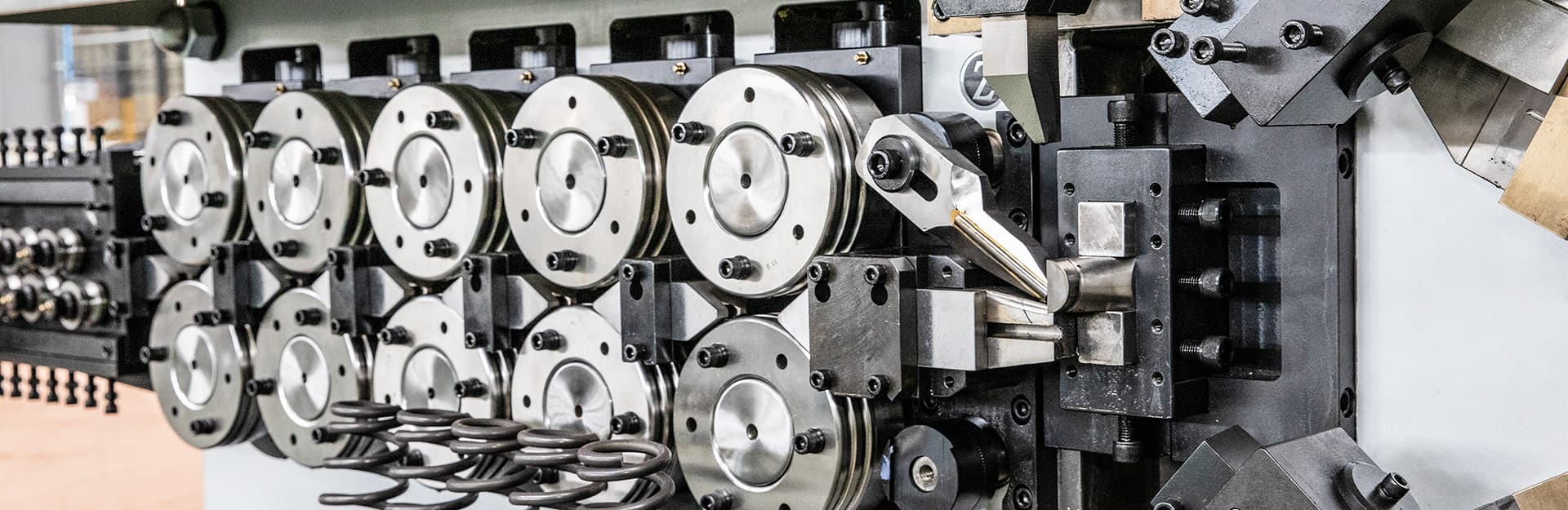
Consumer electronics manufacturers integrate torsion springs into hinge assemblies, battery door latches, and folding mechanisms where the spring must remain invisible to the user while still delivering tactile, controlled motion. Laptop hinges, flip-phone mechanisms, and foldable tablet designs all depend on torsion springs sized to balance screen weight against a comfortable opening force.
The torque-to-weight ratio in electronics hinge springs is critical: too little torque and a laptop screen flops shut under its own weight; too much torque and users struggle to open the device with one hand. Engineers typically target a holding torque that keeps the screen stable at any angle between 0 and 135 degrees while still allowing one-finger adjustment.
Home appliances rely on a parallel set of torsion spring functions:
The material a torsion spring is made from determines which application categories it can reliably serve. Selecting the wrong material for the operating environment is one of the most common causes of premature spring failure in field use.
| Material | Best Suited Applications | Limitation |
|---|---|---|
| Music wire (high-carbon steel) | General industrial, household hardware | Poor corrosion resistance without coating |
| Stainless steel (302/304/17-7) | Medical, food processing, marine equipment | Lower fatigue strength than carbon steel |
| Chrome silicon | High-stress automotive and shock-load uses | Higher material and processing cost |
| Phosphor bronze | Electrical contacts, low-conductivity-loss circuits | Lower mechanical strength overall |
| Inconel and high-temperature alloys | Aerospace, exhaust system, furnace equipment | Significantly higher cost per unit |
Coating and surface treatment also play a role in application fit. Springs operating in outdoor or humid environments, such as garage door or agricultural equipment springs, typically receive zinc plating, powder coating, or oil dip finishes to extend service life, while springs in cleanroom or medical contexts more often use passivated stainless steel to avoid particulate shedding.
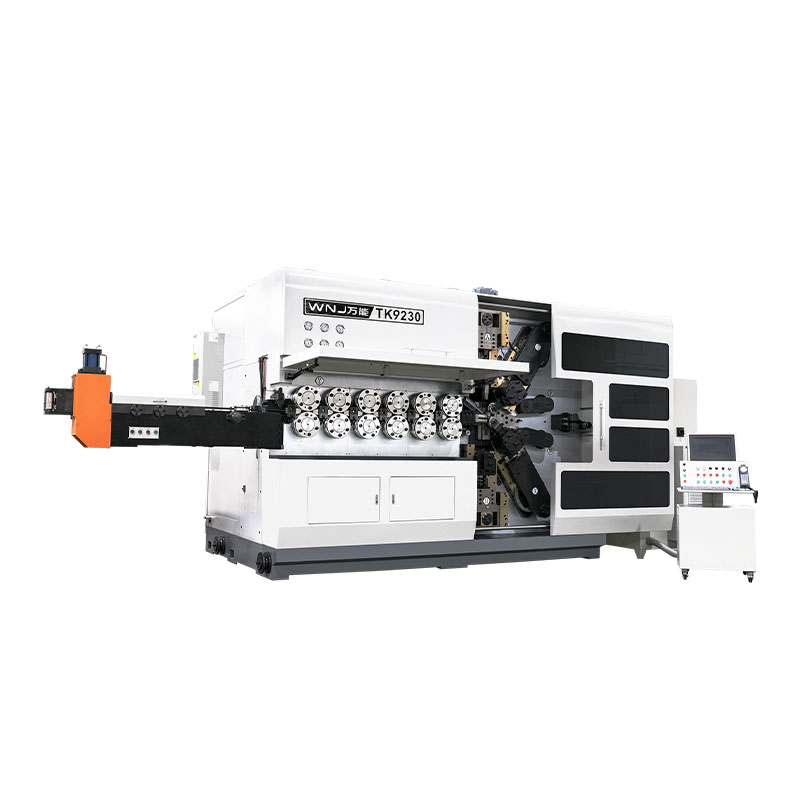
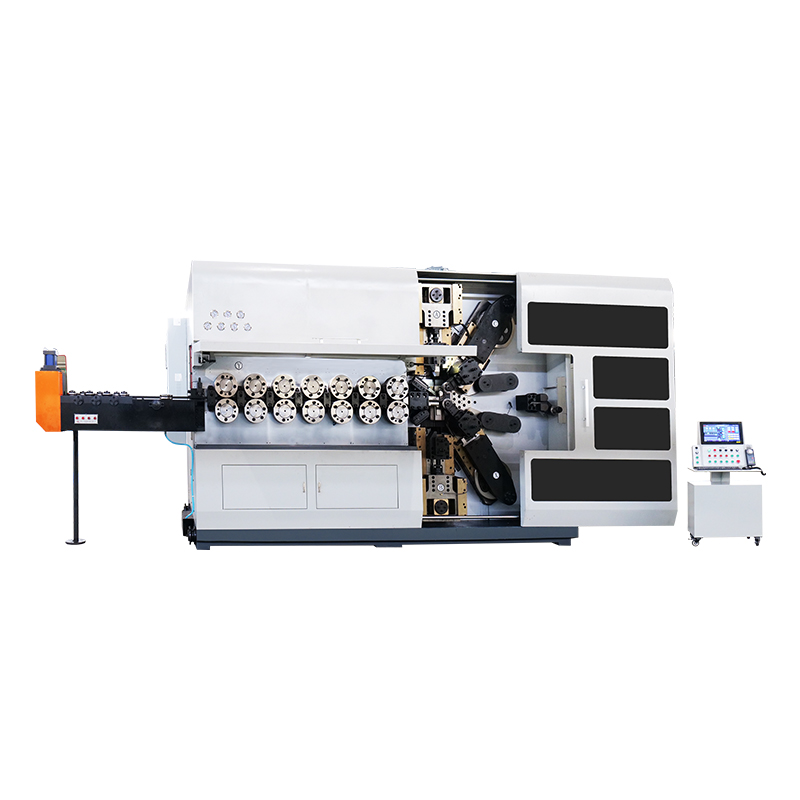
The way a torsion spring is produced directly affects which applications it can serve reliably at scale. Two broad manufacturing approaches dominate the industry: hand-wound or manually set production for low-volume or prototype work, and CNC-driven production using a dedicated torsion spring machine for high-volume, tight-tolerance manufacturing.
A modern torsion spring machine uses servo-controlled wire feed, rotating mandrels, and programmable leg-forming tooling to produce springs with consistent pitch, body diameter, and leg angle across runs that can exceed 100,000 units without manual intervention. This level of repeatability is what makes torsion springs viable in safety-critical applications such as automotive seatbelt retractors or circuit breaker mechanisms, where even a 1-degree deviation in leg angle could shift the functional trigger point of the assembly.
Key advantages a CNC torsion spring machine brings to application-critical manufacturing include:
For lower-volume or highly customized applications, such as a one-off restoration project or a specialty machine retrofit, manual coiling on a simpler bench-mounted torsion spring machine remains common because tooling changeover costs for CNC equipment are not justified by small batch sizes.
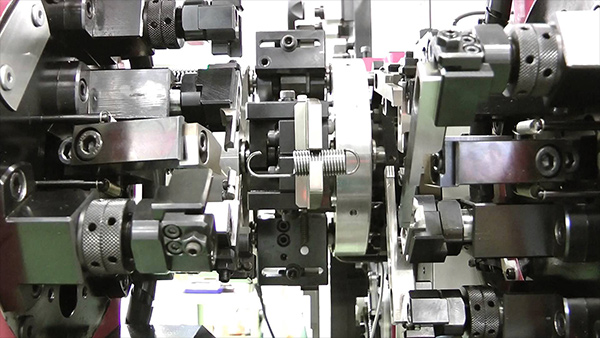
Different applications expose torsion springs to different dominant failure mechanisms, and understanding which risk applies to a given use case helps in both design and maintenance planning.
| Failure Mode | Typical Application Context | Primary Cause |
|---|---|---|
| Fatigue cracking | High-cycle hinges, garage doors | Repeated bending stress beyond endurance limit |
| Corrosion pitting | Outdoor and agricultural equipment | Moisture exposure without adequate coating |
| Permanent set | Long-term loaded storage, switchgear | Sustained deflection beyond elastic limit |
| Leg deformation | Mechanisms with off-axis loading | Side loading not accounted for in mounting design |
| Thermal softening | Exhaust systems, furnace equipment | Operating temperature exceeding material rating |
Permanent set is one of the most misunderstood failure modes in torsion spring applications. It occurs when a spring is held at or near its maximum rated deflection for extended periods, causing the wire to lose its ability to return fully to the free position. This is a particular concern in switchgear and circuit breaker mechanisms, where a spring may remain fully wound for years awaiting a single trip event, which is why these applications typically specify springs derated to operate well below their theoretical maximum torque.
Choosing an appropriate torsion spring starts with defining the functional requirement in mechanical terms rather than starting from a catalog part number. The following sequence reflects how application engineers typically approach spring selection:
Many application failures trace back to skipping step one and selecting a spring based on body size alone. Two torsion springs with identical body diameter and wire size can deliver very different torque outputs depending on coil count and material, so torque-first selection consistently produces better outcomes than dimension-first selection.
Several shifts in manufacturing and product design are expanding where torsion springs are applied. Lightweighting initiatives in automotive and aerospace design have pushed engineers toward higher-strength alloys that allow smaller, lighter torsion springs to deliver the same torque previously requiring larger components, reducing both material use and assembly weight.
In consumer electronics, the rise of foldable and flexible display devices has created demand for torsion springs with extremely tight angular consistency across millions of open-close cycles, since uneven hinge resistance is immediately noticeable to users and affects perceived product quality. This has pushed manufacturers toward higher-precision torsion spring machine platforms capable of holding leg angle tolerances tighter than older mechanical coiling equipment ever achieved.
Renewable energy infrastructure represents another growing application area, with torsion springs used in solar panel tracking mechanisms and wind turbine pitch control assist systems, where reliable rotational force over outdoor service lives of 15 to 25 years is essential.
A torsion spring is typically a coiled wire component with formed legs that engage specific mounting points, while a torsion bar is usually a straight or slightly shaped solid rod that twists along its length, most often used in vehicle suspension systems. Both store energy through twisting, but their geometry and typical load capacity differ substantially.
Service life depends heavily on application and material. A well-specified garage door torsion spring commonly lasts 7 to 12 years under typical residential use, equating to roughly 10,000 open-close cycles, while precision medical device torsion springs are often rated for several hundred thousand cycles due to their lighter load and smaller deflection range per use.
Generally no, because the load application method is fundamentally different. Torsion springs are designed for rotational loading at their legs, while extension and compression springs are designed for axial pulling or pushing. Substituting one type for another usually requires a complete mechanism redesign rather than a simple part swap.
Tension loss most often results from operating the spring near or beyond its elastic limit for extended periods, a condition known as permanent set, or from cyclic fatigue that gradually changes the wire's microstructure after repeated bending stress. Corrosion can also reduce effective wire diameter over time, lowering torque output even if the spring has not been overloaded.
Wind direction determines which way the spring resists or drives rotation. A left-hand wound spring resists clockwise rotation when viewed from a specified end, while a right-hand wound spring resists counterclockwise rotation. Matching wind direction to the mechanism's intended motion is essential, since installing the wrong wind direction will cause the spring to unwind further rather than build resistance.
Construction hardware, automotive manufacturing, and consumer appliance production account for the largest production volumes, driven largely by garage door systems, vehicle interior mechanisms, and household appliance hinges. Medical device and aerospace sectors use far lower unit volumes but typically demand tighter tolerances and higher per-unit pricing.
Torque is generally calculated using wire diameter, material modulus of elasticity, mean coil diameter, and the number of active coils, combined with the desired angular deflection. Engineers typically validate calculated torque values against physical prototype testing before finalizing a production specification, since real-world friction and mounting tolerances can shift actual performance slightly from theoretical values.
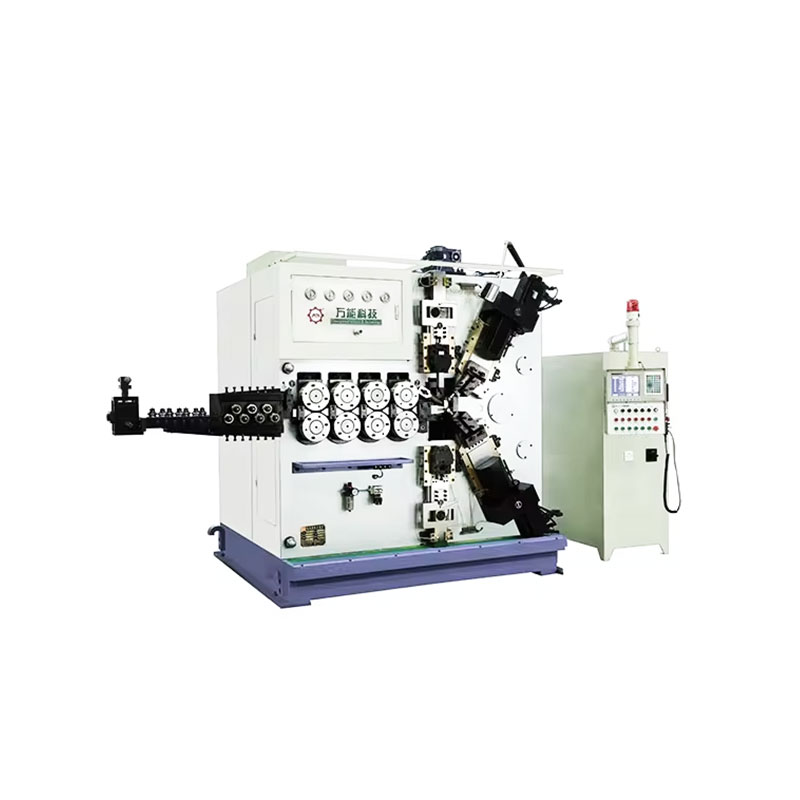
TK-6160 TK-6160 CNC SPRING ROLLING MACHINE...
See Details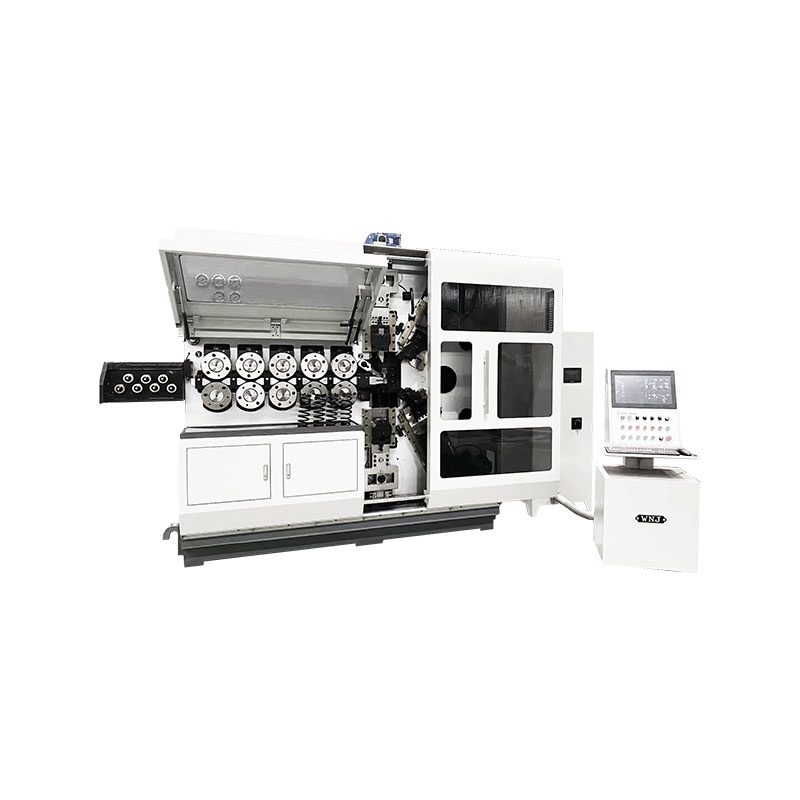
TK-6120 TK-6120 CNC SPRING ROLLING MACHINE...
See Details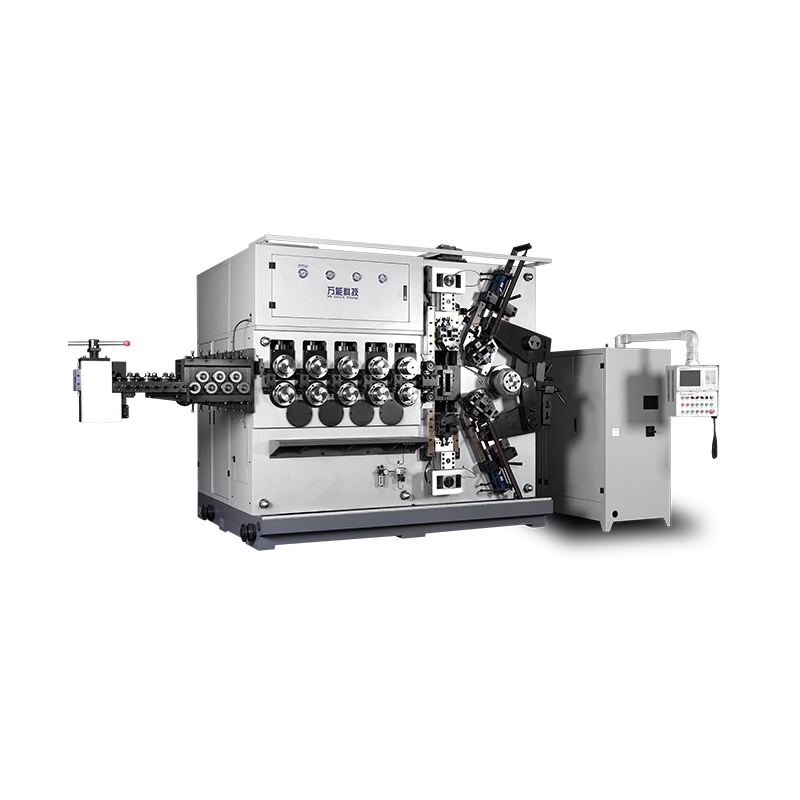
TK-5200 TK-5200 5AXES CNC SPRING COILING MACHINE...
See Details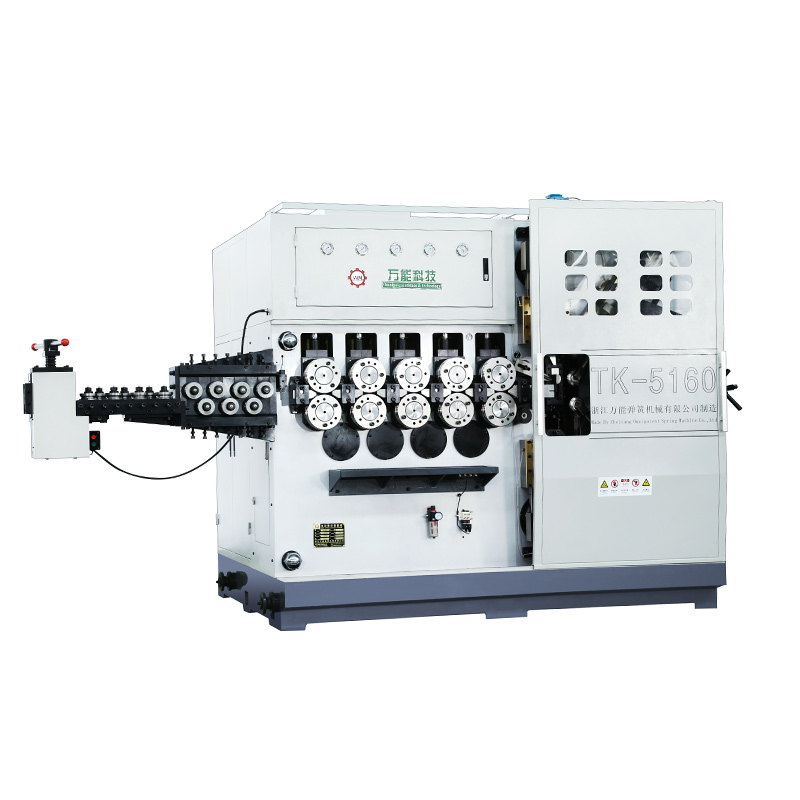
TK-5160 TK-5160 5AXES CNC SPRING COILING MACHINE...
See Details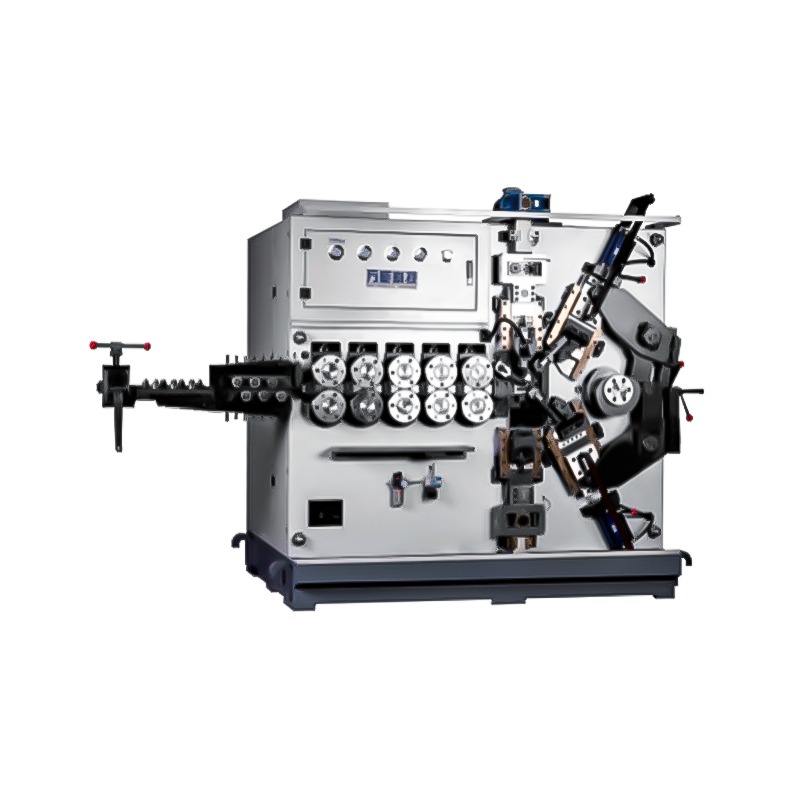
TK-5120 TK-5120 5AXES CNC SPRING COILING MACHINE...
See Details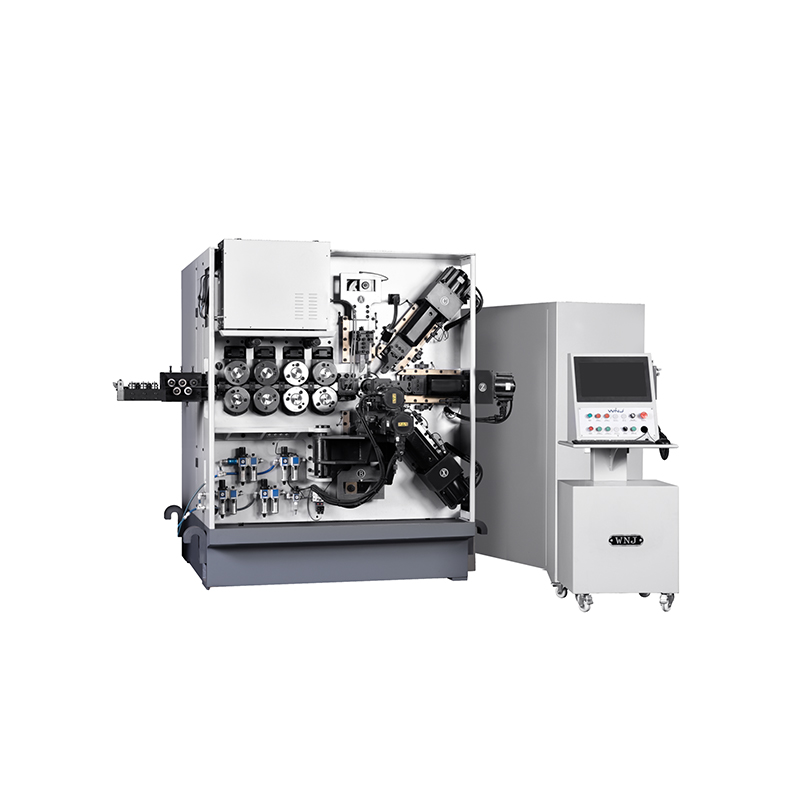
TK TK 10AXES CNC SPRING SCROLL MACHINE...
See Details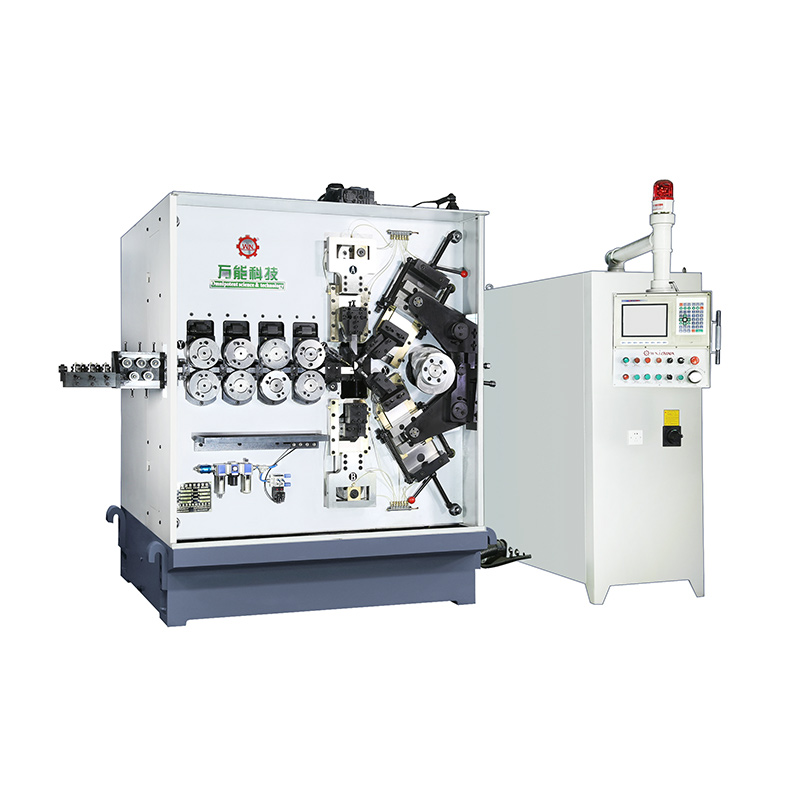
TK-580B、 TK-590 TK-580B、 TK-590 5AXES CNC SPRING COILING MACHINE...
See Details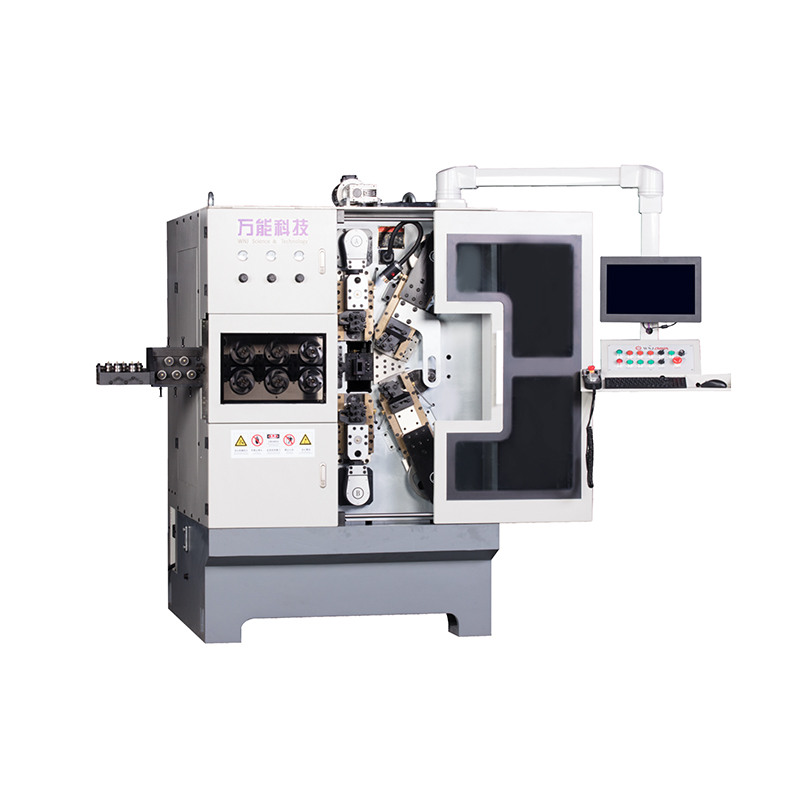
TK-760TK-760 6-7AXES CNC SPRING COILING MACHINE...
See DetailsMobile QR Code

 中文简体
中文简体 English
 русский
 Español